Pregnancy comes with enough surprises already. Cravings that make no sense, exhaustion that appears out of nowhere, and routine blood tests you never imagined needing.
Then one appointment changes the conversation.
Your doctor tells you your blood sugar is higher than it should be.
If you've been diagnosed with gestational diabetes, you're not alone. Many women have perfectly normal blood sugar levels before pregnancy, only to develop diabetes during the second or third trimester. The diagnosis can feel worrying, especially when your first thought is whether your baby is safe.
The good news is that gestational diabetes is one of the most manageable pregnancy-related conditions. With the right food choices, regular monitoring, and medical guidance, most women go on to have healthy pregnancies and healthy babies.
The important part is understanding why it happens, how it's diagnosed, and what you can do from today onwards.
What is gestational diabetes?
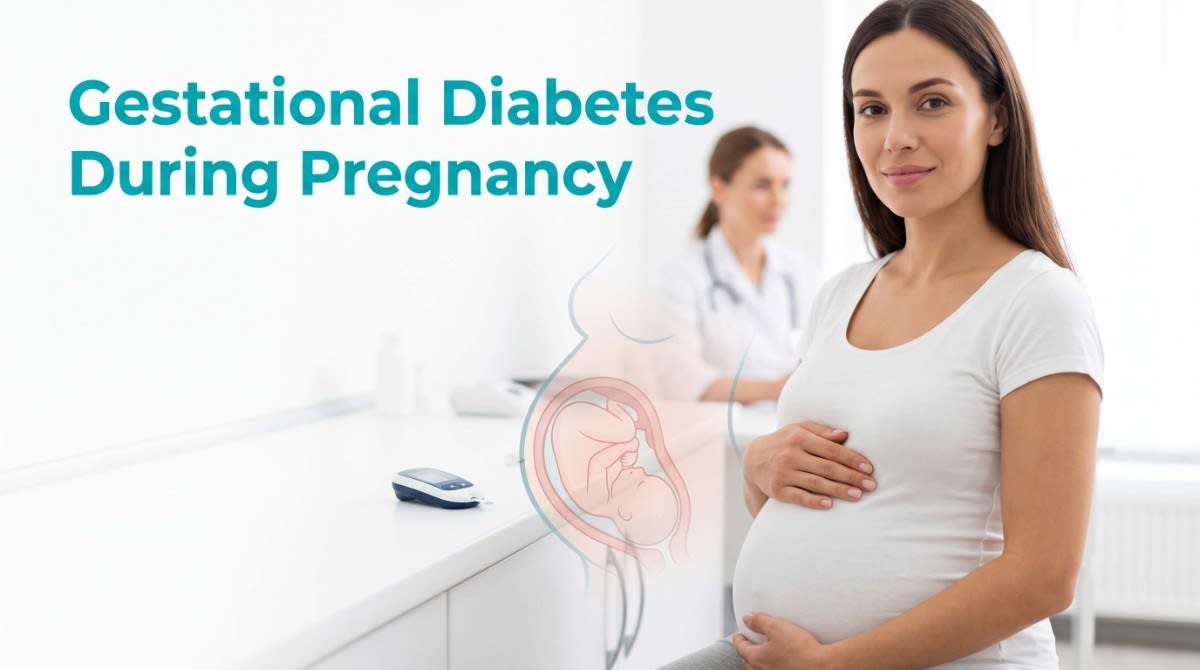
Gestational diabetes is a type of diabetes that develops during pregnancy in women who did not have diabetes before becoming pregnant.
It usually appears between 24 and 28 weeks of pregnancy, when pregnancy hormones begin making it harder for the body's insulin to work properly. This condition is known as insulin resistance.
Normally, the pancreas responds by producing more insulin to keep blood sugar under control. But in some pregnancies, the body cannot produce enough additional insulin to meet this increased demand. As a result, glucose builds up in the bloodstream instead of moving efficiently into the body's cells.
Unlike type 1 or type 2 diabetes, gestational diabetes is directly linked to the hormonal changes of pregnancy. For many women, blood sugar returns to normal after delivery. However, having gestational diabetes increases the likelihood of developing type 2 diabetes later in life, making postpartum follow-up just as important as pregnancy care.
Why does gestational diabetes develop during pregnancy?
Many women assume they developed gestational diabetes because they ate too many sweets or gained too much weight.
The reality is more complex.
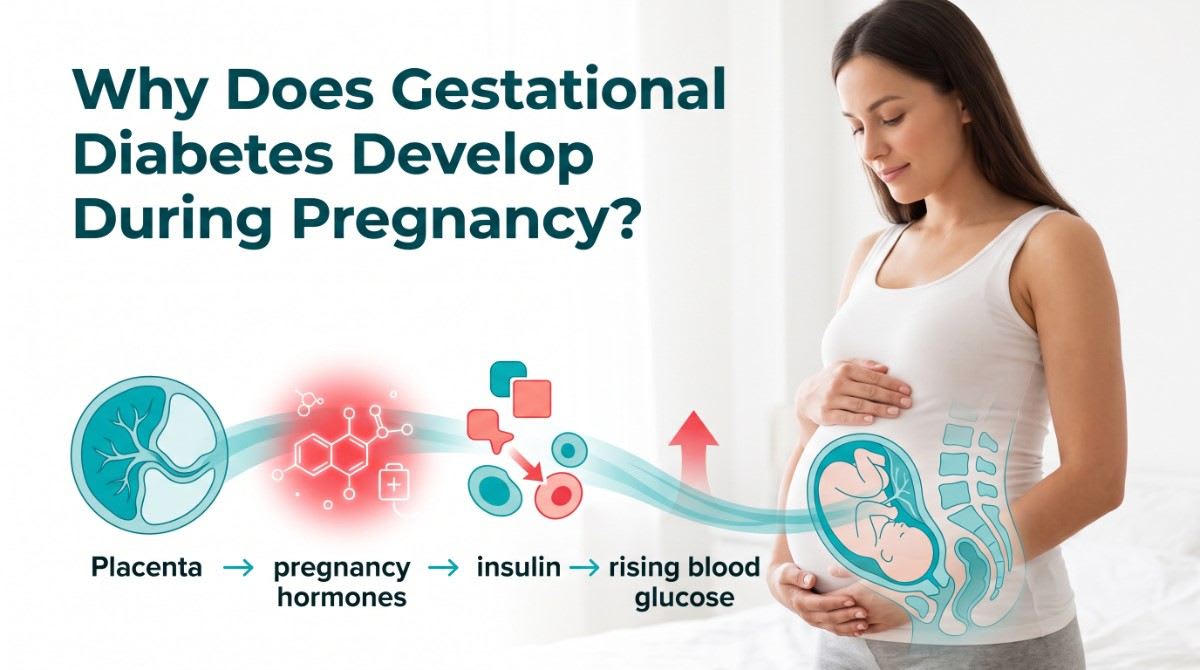
During pregnancy, the placenta produces hormones that help the baby grow. Hormones such as human placental lactogen (hPL), cortisol, estrogen, and progesterone naturally make the mother's body more resistant to insulin. This ensures that enough glucose remains in the bloodstream for the growing baby.
For most women, the pancreas compensates by producing significantly more insulin.
Gestational diabetes develops only when that extra insulin isn't enough to overcome the body's increased insulin resistance.
In other words, pregnancy itself creates the conditions that can trigger gestational diabetes. Diet and lifestyle influence the risk, but they are rarely the only reason.
Who is more likely to develop gestational diabetes?
Although any pregnant woman can develop gestational diabetes, certain factors increase the likelihood.
Your risk may be higher if you:
- Older than 25 years
- Overweight or obese before pregnancy
- Have a parent or sibling with diabetes
- Had gestational diabetes during a previous pregnancy
- Previously delivered a baby weighing more than 4 kg
- Have polycystic ovary syndrome (PCOS)
- Have prediabetes before pregnancy
Belong to an ethnic group with a higher diabetes risk, including South Asians
It's worth remembering that many women diagnosed with gestational diabetes have none of these risk factors. That's exactly why universal screening during pregnancy is recommended.
Gestational diabetes symptoms: why many women don't notice anything
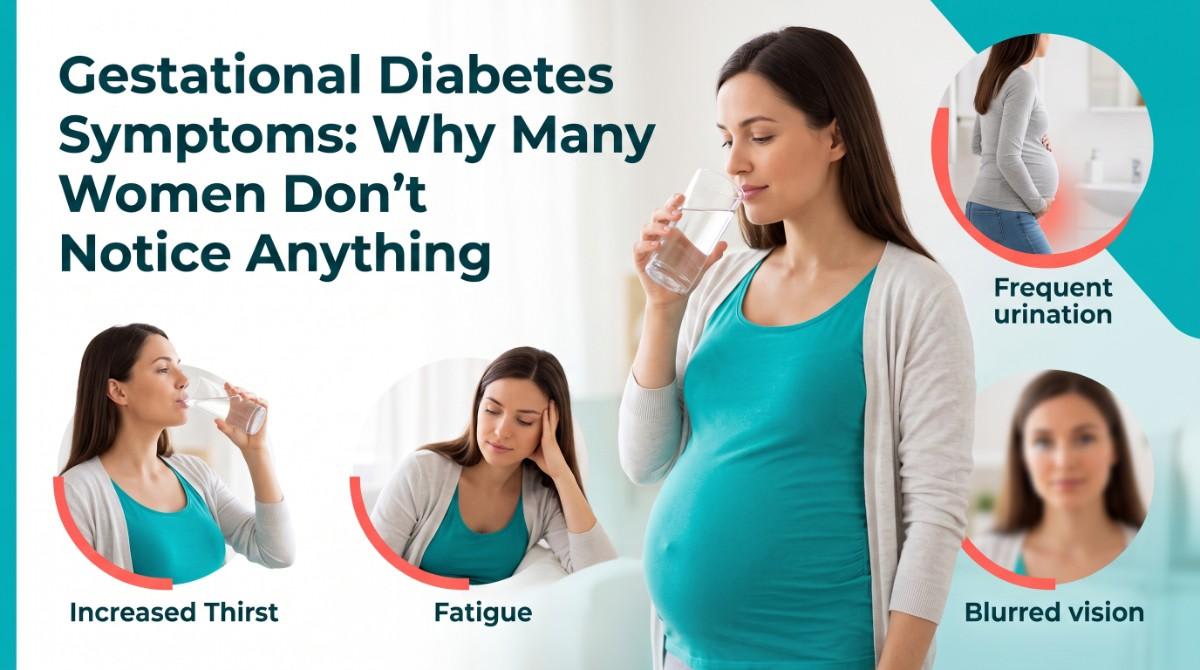
One of the biggest challenges with gestational diabetes is that it often causes no obvious symptoms at all.
Unlike uncontrolled diabetes, where symptoms can be dramatic, gestational diabetes is usually discovered through routine pregnancy testing.
Some women may notice:
- Increased thirst
- Frequent urination
- Fatigue beyond normal pregnancy tiredness
- Blurred vision
- More frequent infections
However, these symptoms also overlap with normal pregnancy changes, making them unreliable for diagnosis.
That's why doctors don't wait for symptoms. They screen pregnant women even when they feel completely healthy.
How is gestational diabetes diagnosed?
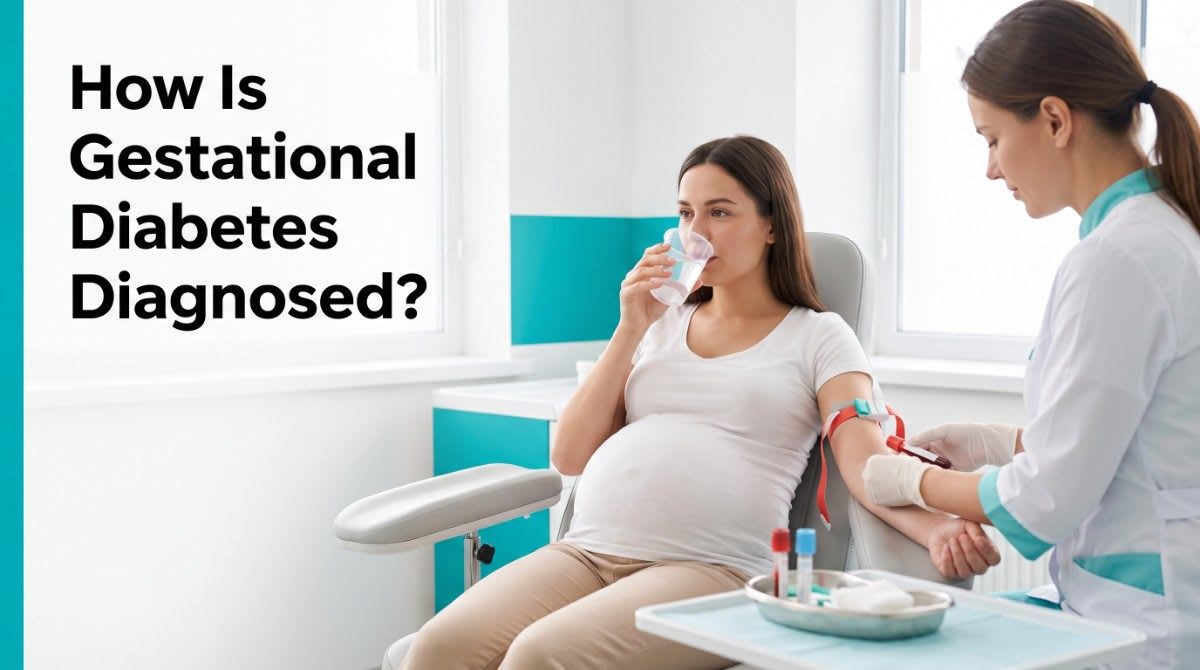
Most women are screened between 24 and 28 weeks of pregnancy using the Glucose Tolerance Test (GTT).
The process is straightforward.
First, your blood sugar may be measured while fasting. You'll then drink a glucose solution containing a measured amount of sugar. Blood samples are collected over the next one to three hours to see how efficiently your body processes the glucose.
If one or more values are above the recommended range, gestational diabetes is diagnosed.
Although drinking the glucose solution isn't the most pleasant part of pregnancy, the test provides valuable information that helps protect both mother and baby.
Why does managing gestational diabetes matter?
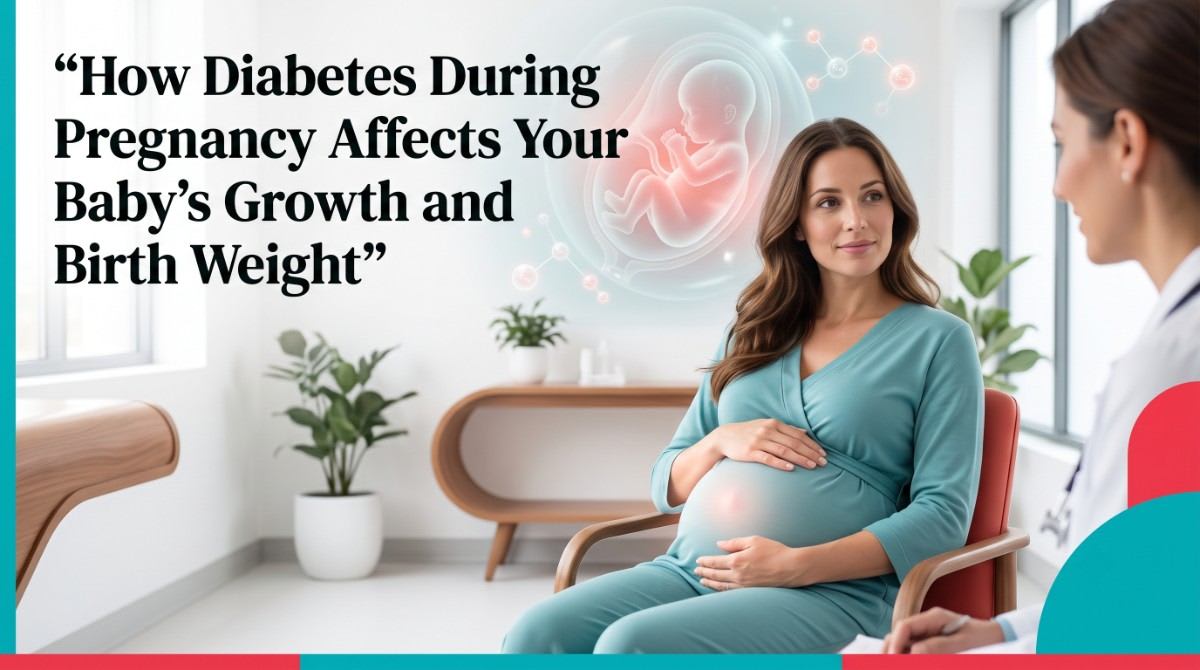
When blood sugar remains consistently high, excess glucose crosses the placenta and reaches the baby.
The baby's pancreas responds by producing more insulin, which can lead to several pregnancy complications.
Poorly controlled gestational diabetes may increase the risk of:
- Larger-than-average babies (macrosomia)
- Difficult delivery
- Birth injuries
- Premature delivery
- High blood pressure during pregnancy
- Cesarean delivery
- Low blood sugar in the newborn after birth
- Future obesity and type 2 diabetes in the child
The encouraging news is that maintaining healthy blood sugar levels significantly reduces many of these risks.
Early diagnosis truly changes outcomes.
Diet and treatment during pregnancy
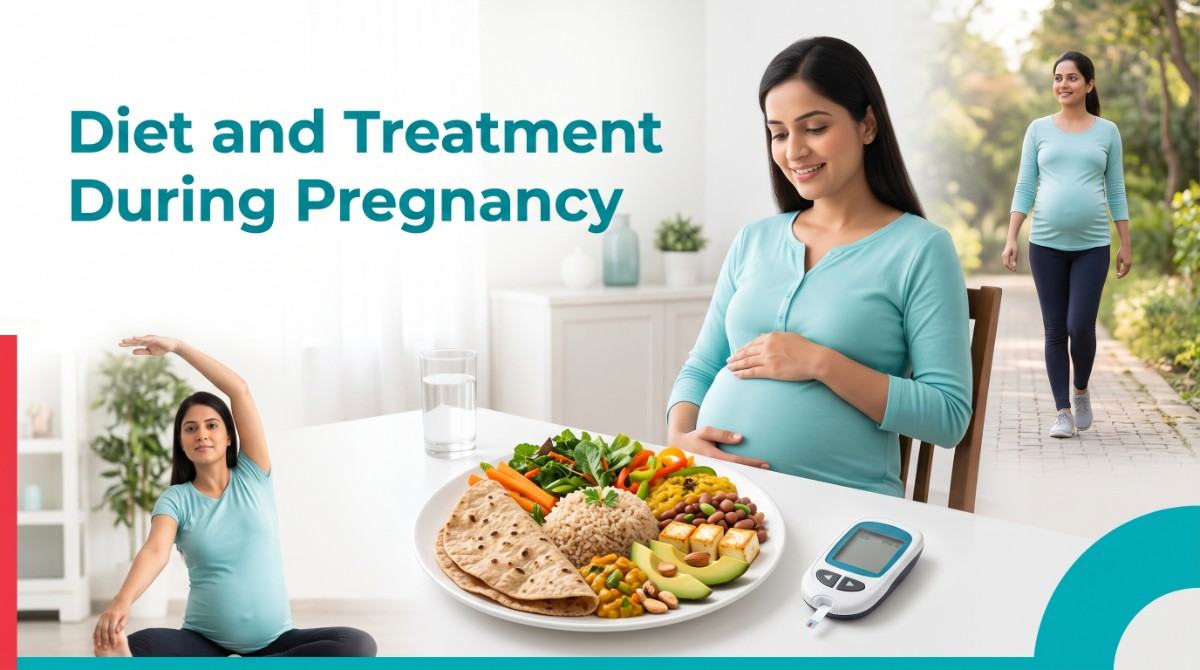
For most women, treatment begins with food rather than medication.
Instead of eliminating carbohydrates completely, doctors usually recommend balancing them throughout the day and choosing foods that produce a slower rise in blood sugar.
General dietary recommendations include:
- Choose whole grains instead of refined grains.
- Pair carbohydrates with protein and healthy fats.
- Include plenty of vegetables in every meal.
- Avoid sugary drinks and highly processed snacks.
- Eat smaller meals more frequently instead of very large portions.
- Stay physically active with pregnancy-safe exercises if approved by your doctor.
Some women may also need insulin therapy or medication if lifestyle changes alone don't keep blood sugar within target ranges.
Treatment plans are always personalised based on pregnancy stage, glucose readings, and overall health.
Does gestational diabetes go away after delivery?
In many cases, yes. Once the placenta is delivered, pregnancy hormone levels fall rapidly, and insulin resistance usually improves within days.
For most women, blood sugar returns to normal after childbirth.
However, the story doesn't end there.
Research shows that women who have had gestational diabetes face a substantially higher risk of developing type 2 diabetes later in life. Doctors therefore recommend another glucose test about 6 to 12 weeks after delivery, followed by regular diabetes screening every few years.
Healthy eating, maintaining a healthy weight, and regular exercise can significantly lower this future risk.
What this means for your pregnancy
A diagnosis of gestational diabetes can feel overwhelming, but it isn't a sign that you've failed or that your pregnancy is destined for complications.
It's simply your body's way of telling you that it needs a little extra support while growing your baby.
With regular monitoring, balanced nutrition, physical activity, and guidance from your healthcare team, most women with gestational diabetes have healthy pregnancies and deliver healthy babies.
This is the same philosophy behind Metabulix's approach to diabetes care. Rather than asking families to fear everyday foods, the focus is on understanding how the body responds to them and creating practical, personalised plans that fit real Indian lifestyles.
Conclusion
Gestational diabetes can be an unexpected diagnosis, but it doesn't have to define your pregnancy. The condition develops because of natural hormonal changes that affect how your body uses insulin, not because you've done something wrong.
The good news is that early diagnosis, regular blood sugar monitoring, balanced nutrition, and appropriate medical care can help you manage gestational diabetes effectively. For most women, blood sugar levels return to normal after delivery, but staying mindful of your long-term health remains just as important.
Every pregnancy is different, which is why there's no one-size-fits-all approach to managing gestational diabetes. A personalised care plan that fits your health, lifestyle, and eating habits can make all the difference for both you and your baby.
If you've recently been diagnosed with gestational diabetes or want guidance on maintaining healthy blood sugar throughout pregnancy, the experts at Metabulix can help you build a practical, doctor-led plan designed around your individual needs and your everyday Indian diet.
Frequently Asked Questions
Q: Is gestational diabetes dangerous for the baby?
It can increase the risk of complications if left unmanaged, including a larger birth weight, premature delivery, and low blood sugar after birth. Proper treatment greatly reduces these risks.
Q: Does gestational diabetes go away after delivery?
For most women, blood sugar returns to normal after childbirth. However, regular follow-up is important because the future risk of type 2 diabetes remains higher.
Q: What causes gestational diabetes?
The main cause is pregnancy hormones that increase insulin resistance. Genetics, weight, age, and certain medical conditions can further increase the risk.
Q: How is gestational diabetes diagnosed?
Doctors usually diagnose it using an oral glucose tolerance test (OGTT) between 24 and 28 weeks of pregnancy.
Q: What foods should I avoid with gestational diabetes?
Limit sugary drinks, sweets, refined flour products, and highly processed snacks. Focus instead on whole grains, vegetables, lean proteins, healthy fats, and balanced meals.