Did you know type 1 diabetes has nothing to do with diet, sugar intake, or lifestyle choices? It is one of the most misunderstood health conditions out there; people often confuse it with type 2 diabetes even though the two work in completely different ways. If you or someone in your family has just been diagnosed, or you simply want to understand this condition better, this guide breaks down everything in simple terms, from what causes it to how it is managed on a daily basis.
What Is Type 1 Diabetes?
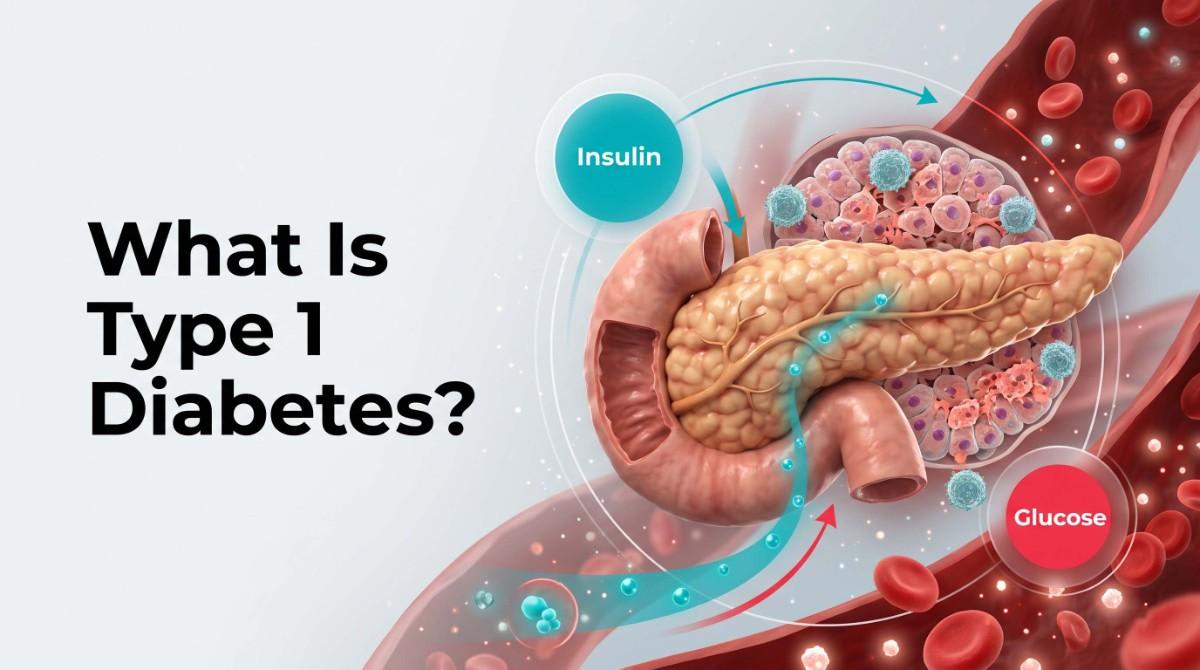
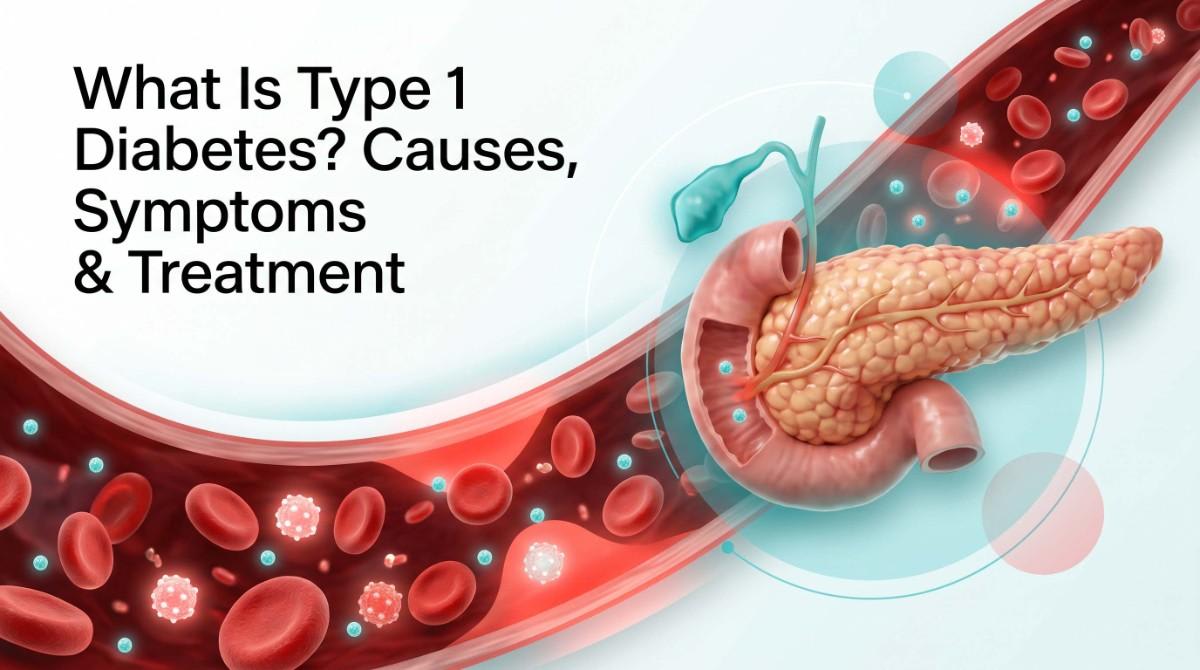
Type 1 diabetes is a chronic autoimmune condition. In simple words, the body's own immune system, which is meant to protect you from infections, mistakenly starts attacking the insulin-producing cells in the pancreas. Insulin is the hormone responsible for helping glucose move from your blood into your cells, where it is used as energy.
When these cells are destroyed, the body stops producing insulin altogether. Without insulin, glucose has nowhere to go, so it keeps building up in the bloodstream. Over time, this leads to high blood sugar levels, which can cause serious complications if left unmanaged.
Unlike type 2 diabetes, which develops gradually and is often linked to weight, diet, and inactivity, type 1 diabetes can appear suddenly, at any age, and is not something a person "brings on" through lifestyle. It can affect children, teenagers, and adults alike.
What Causes Type 1 Diabetes? (The Autoimmune Process)
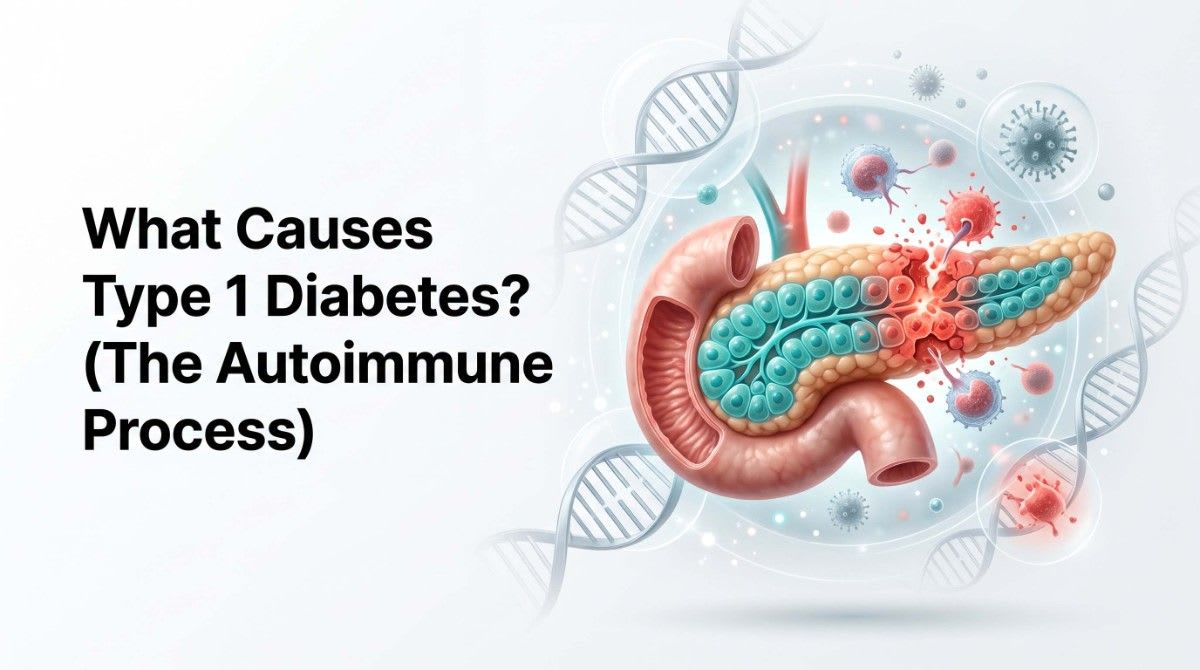
The exact trigger behind type 1 diabetes is still not fully understood, but researchers agree it comes down to a combination of factors working together.
Autoimmune reaction: For reasons scientists haven't pinned down completely, the immune system identifies the pancreas's beta cells as a threat and destroys them. Once these cells are gone, insulin production stops.
Genetics: Having a close family member with type 1 diabetes can raise the risk, though many people diagnosed have no family history at all. Certain genes are known to make a person more susceptible.
Environmental triggers: Some viral infections or environmental factors are believed to act as a spark that sets off the autoimmune attack in someone who is already genetically prone to it. This part of the science is still developing.
What is clear is that type 1 diabetes is not caused by eating too much sugar or being overweight. It is an immune system disorder, not a lifestyle disease.
Symptoms of Type 1 Diabetes to Watch For
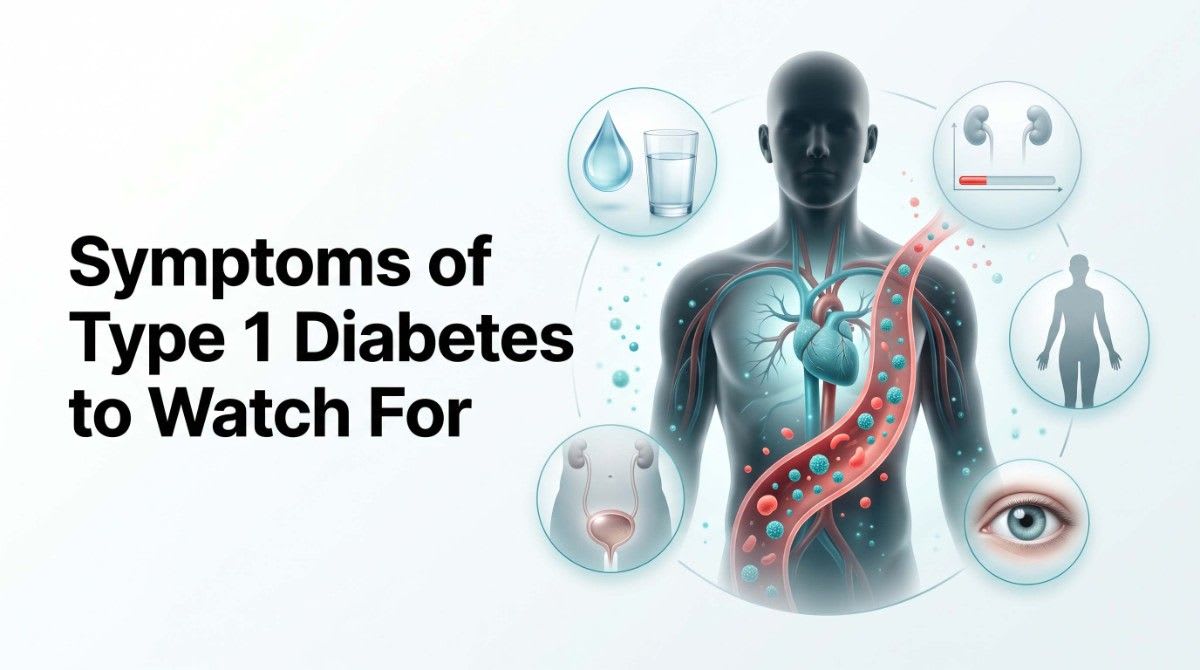
Because the body loses its insulin supply quite quickly, symptoms of type 1 diabetes tend to show up fast, sometimes within days or weeks. Common signs include:
- Excessive thirst and a persistently dry mouth
- Frequent urination, including bedwetting in children who were previously dry at night
- Extreme hunger paired with ongoing fatigue
- Unexplained weight loss even though appetite may increase
- Blurred vision
If these symptoms are ignored, the body can slip into a dangerous state called diabetic ketoacidosis, or DKA. This happens when the body starts breaking down fat for energy instead of glucose, producing acidic byproducts called ketones. Warning signs of DKA include nausea, vomiting, stomach pain, confusion, and a distinct fruity smell on the breath. This is a medical emergency and needs immediate attention.
If you notice these symptoms in yourself or your child, do not wait it out. A simple blood test can confirm or rule out type 1 diabetes early.
Type 1 Diabetes in Children (Juvenile Diabetes)
Type 1 diabetes is often called juvenile diabetes because it is one of the most common chronic conditions diagnosed in childhood. That said, it can develop at any stage of life, including adulthood.
In children, the symptoms can be trickier to catch early since kids may not always be able to describe how they're feeling. Parents should watch for sudden increases in thirst and bathroom trips, tiredness that seems out of character, or weight loss despite a normal or increased appetite. Bedwetting in a child who was previously toilet trained is another sign worth discussing with a doctor.
A diagnosis of type 1 diabetes in a child changes daily routines for the whole family, involving insulin schedules, meal planning, and regular monitoring. It can feel overwhelming at first, but with the right medical guidance and support system, children with type 1 diabetes go on to live full, active, and healthy lives.
How It's Diagnosed and Treated
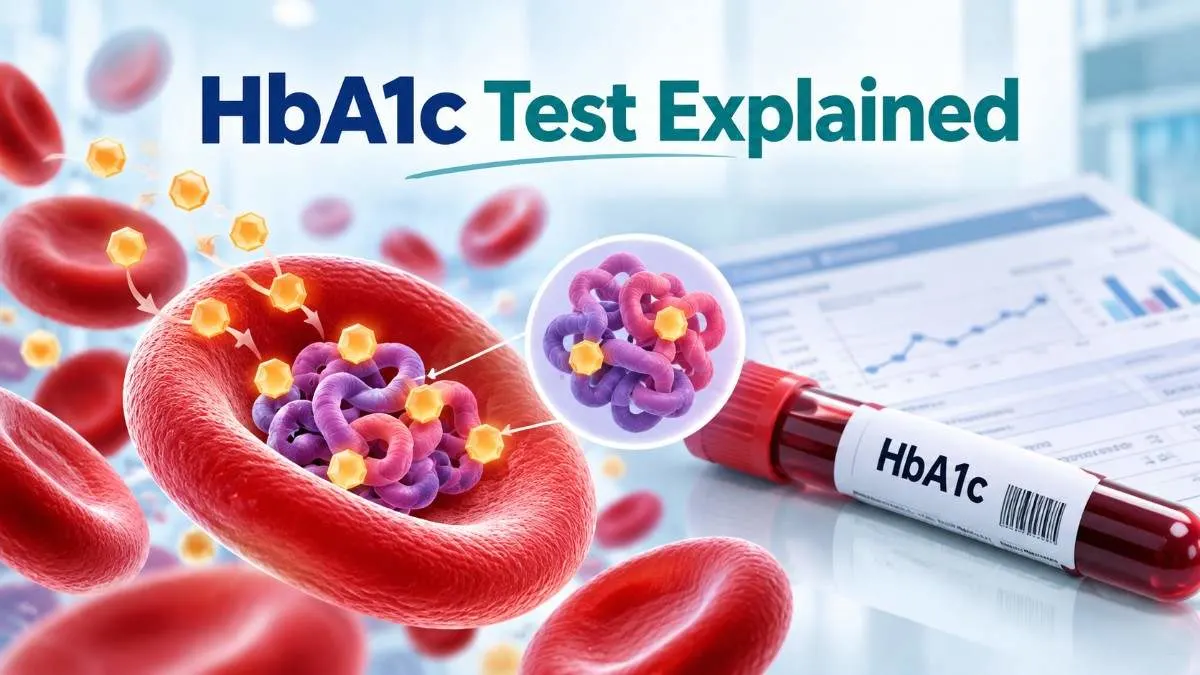
Diagnosing type 1 diabetes usually involves a few straightforward blood tests. Doctors typically check blood glucose levels, along with a test called HbA1c, which shows average blood sugar over the past two to three months. In some cases, an antibody test is also done to confirm that the condition is autoimmune in nature and to distinguish it from type 2 diabetes.
Since the pancreas is no longer producing insulin, treatment revolves entirely around replacing it. There is currently no cure for type 1 diabetes, but it can be managed very effectively with the right routine. Core parts of treatment include:
- Insulin therapy: Insulin has to be taken daily, either through injections using a pen or syringe or through an insulin pump that delivers it continuously throughout the day.
- Blood glucose monitoring: Regular testing, sometimes several times a day, helps keep sugar levels within a safe target range and allows insulin doses to be adjusted as needed.
- Lifestyle support: While diet and exercise don't cause or cure type 1 diabetes, eating balanced meals and staying physically active help keep blood sugar levels more stable and support overall health.
Living With Type 1 Diabetes: Insulin & Monitoring
Managing type 1 diabetes is a round-the-clock effort, but it doesn't have to take over your life. Many people rely on continuous glucose monitors, small wearable devices that track blood sugar in real time, paired with insulin pumps that can be programmed to release precise doses. These tools have made day-to-day management far less guesswork-heavy compared to a few years ago.
Living well with type 1 diabetes also means paying attention to the bigger picture, such as regular checkups for eye, kidney, and heart health, along with support for mental well-being, since managing a lifelong condition can understandably feel stressful at times.
If you have a loved one managing type 1 diabetes, or you're navigating a related condition like type 2 diabetes or prediabetes yourself, having the right guidance can make daily management far less overwhelming. At Metabulix, our approach is built around real Indian meals, whether that's dal, roti, or rice, so that health guidance actually fits into everyday life rather than working against it. You can explore our personalized diabetes care programs to understand how this approach can fit into your health goals
Conclusion
Type 1 diabetes is a lifelong autoimmune condition, not a result of diet or lifestyle choices, and understanding this distinction matters both for patients and the people around them. While there is no cure yet, insulin therapy, consistent monitoring, and the right support system make it entirely possible to live a full and healthy life with the condition. If you notice early symptoms in yourself or your child, don't delay a conversation with a healthcare provider. Early diagnosis makes all the difference.
FAQs
1. Can type 1 diabetes be prevented?
No, type 1 diabetes cannot currently be prevented since it is an autoimmune condition triggered by genetic and environmental factors, not lifestyle choices.
2. Is type 1 diabetes the same as juvenile diabetes?
Yes, type 1 diabetes is often referred to as juvenile diabetes because it is commonly diagnosed in children, though it can develop at any age.
3. Do people with type 1 diabetes need insulin for life?
Yes, since the pancreas stops producing insulin, daily insulin therapy through injections or a pump is required for life.
4. What is the difference between type 1 and type 2 diabetes?
Type 1 diabetes is an autoimmune condition where the body produces no insulin, while type 2 diabetes usually develops due to insulin resistance and is linked to lifestyle factors, though genetics play a role too.
5. What happens if type 1 diabetes is left untreated?
Untreated type 1 diabetes can lead to diabetic ketoacidosis, a life-threatening emergency, making early diagnosis and consistent insulin therapy essential.