

For years, diabetes management has focused on carbohydrates, insulin, and medications. While these remain essential, research is uncovering another important piece of the puzzle: your gut microbiome.
The human gut is home to nearly 100 trillion microorganisms that influence digestion, immunity, metabolism, and even blood sugar regulation. Among the many compounds these microbes produce, short-chain fatty acids (SCFAs) have gained significant attention for their role in supporting metabolic health.
Emerging evidence suggests that the connection between short-chain fatty acids and diabetes goes beyond digestion. These naturally produced compounds may improve insulin sensitivity, reduce inflammation, strengthen the intestinal barrier, and support better blood sugar control. Since people with diabetes often have an altered gut microbiome, understanding how SCFAs work can help explain why gut health has become an important part of diabetes care.
Understanding the gut microbiome and diabetes
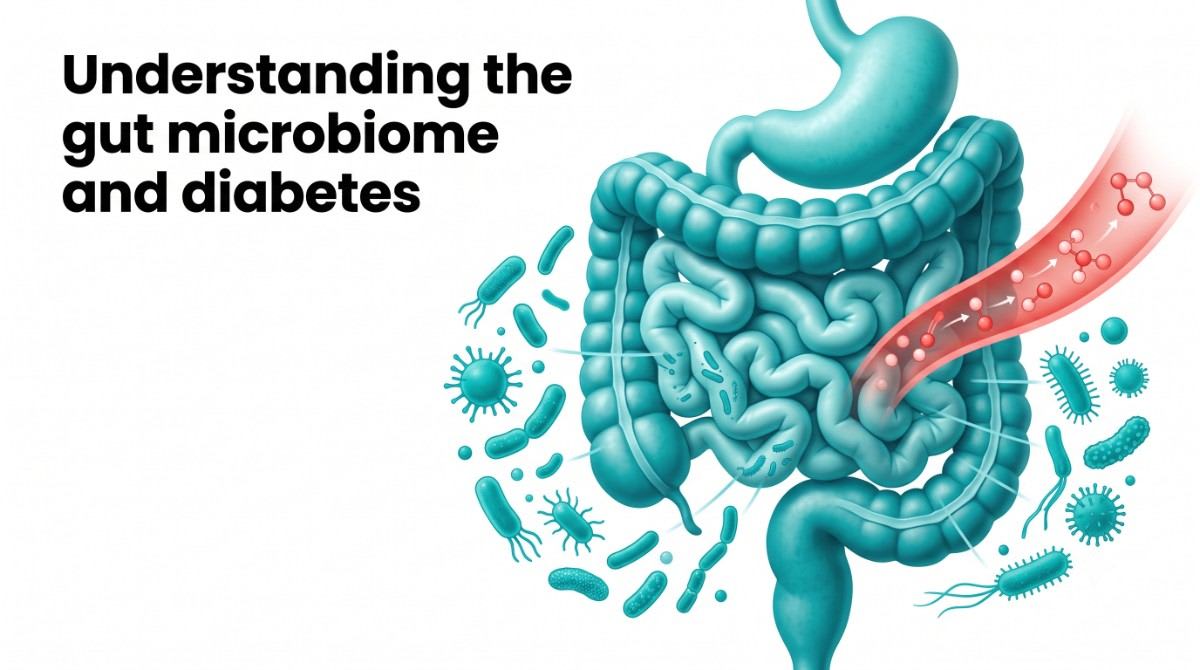
Your digestive tract is home to a complex ecosystem of bacteria, fungi, and other microorganisms collectively known as the gut microbiome. While the word "bacteria" often carries a negative meaning, many of these microorganisms are essential for good health.
A balanced gut microbiome helps the following:
Digest complex carbohydrates and dietary fibre
Produce vitamins such as vitamin K and certain B vitamins
Support the immune system
Maintain the gut lining
Regulate metabolism and inflammation
When this balance is disrupted, a condition called gut dysbiosis develops. Beneficial bacteria decrease, while harmful microbes begin to dominate. Research has consistently shown that people with Type 2 diabetes often have lower microbial diversity and fewer beneficial bacteria than individuals without diabetes.
This imbalance contributes to chronic inflammation, impaired insulin function, and poor glucose regulation, strengthening the relationship between gut health and diabetes.
What are short-chain fatty acids (SCFAs)?
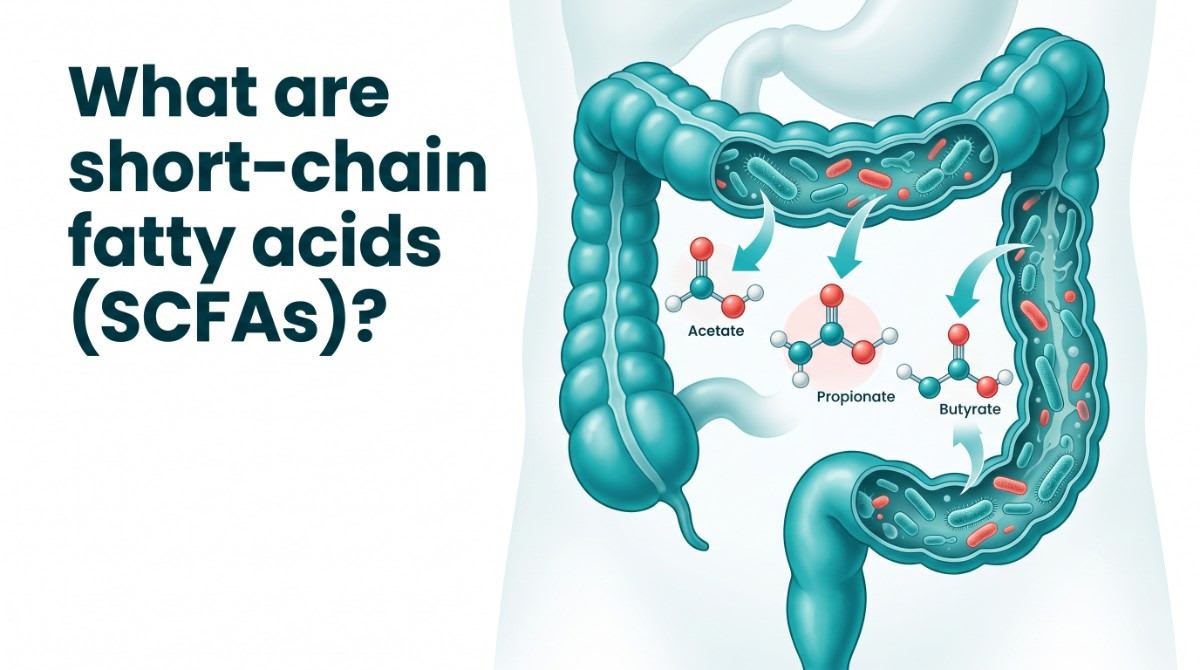
Short-chain fatty acids (SCFAs) are small fatty acid molecules produced when beneficial gut bacteria ferment dietary fibre that escapes digestion in the small intestine. Unlike fats found in cooking oils or processed foods, SCFAs are created naturally inside the colon through bacterial fermentation.
The three primary SCFAs are:
1. Acetate
Acetate is the most abundant SCFA. It travels through the bloodstream and is used by different organs as an energy source. It also plays a role in appetite regulation and cholesterol metabolism.
2. Propionate
Propionate primarily trave
ls to the liver, where it helps regulate glucose production and may improve insulin sensitivity. It also influences hormones involved in satiety, helping reduce excessive calorie intake.
3. Butyrate
Among all SCFAs, butyrate is considered the most beneficial for gut health. It serves as the main energy source for the cells lining the colon, strengthens the intestinal barrier, reduces inflammation, and supports healthy immune function.
Although each SCFA performs different functions, together they contribute to healthier metabolism and improved blood sugar regulation.
How are SCFAs produced?
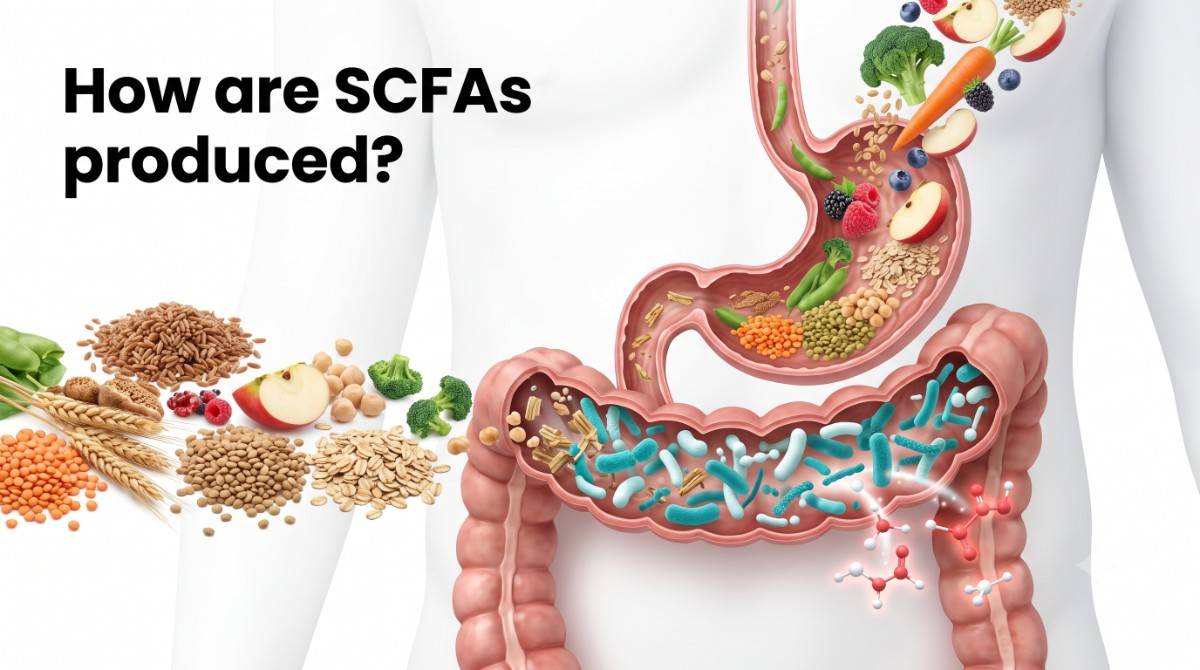
SCFAs are not obtained directly from food. Instead, they are produced when healthy gut bacteria ferment dietary fibre.
When you eat foods like vegetables, fruits, legumes, oats, or whole grains, much of their fibre cannot be digested by human enzymes. Instead of being wasted, this fibre reaches the large intestine, where beneficial bacteria use it as fuel.
During this fermentation process, SCFAs are produced as natural by-products. This is why fibre is often described as food for your gut bacteria. Rather than feeding your body directly, it nourishes the microorganisms that produce compounds essential for metabolic health.
However, simply eating more fibre may not always be enough. If the gut microbiome has already been disrupted due to poor diet, repeated antibiotic use, chronic stress, obesity, or uncontrolled diabetes, there may not be enough beneficial bacteria to efficiently convert fibre into SCFAs.
This explains why improving fibre and gut health requires both adequate fibre intake and a healthy microbial community.
Why do people with diabetes produce fewer SCFAs?
Several studies have found that individuals with Type 2 diabetes often have lower levels of bacteria responsible for producing SCFAs.
Some of the most important SCFA-producing bacteria include:
Faecalibacterium prausnitzii
Roseburia
Eubacterium
Akkermansia muciniphila
These beneficial microbes tend to decline due to:
Diets low in fiber and high in processed foods
Excess sugar and refined carbohydrates
Sedentary lifestyle
Poor sleep
Chronic stress
Frequent antibiotic use
Obesity
As these bacteria decrease, SCFA production also falls. Lower SCFA levels weaken the intestinal barrier, increase inflammation, and contribute to insulin resistance. Over time, this creates a vicious cycle where poor gut health worsens diabetes, while diabetes further disrupts the gut microbiome.
How do SCFAs support better blood sugar control?
The relationship between SCFAs and blood sugar control is supported by several biological mechanisms, like:
They improve insulin sensitivity
Insulin works like a key that allows glucose to enter the body's cells. In Type 2 diabetes, cells become less responsive to insulin, a condition known as insulin resistance. SCFAs improve communication between insulin and body tissues, allowing cells to respond more effectively. Better insulin sensitivity means glucose is removed from the bloodstream more efficiently, reducing high blood sugar levels.
They stimulate GLP-1 production
One of the most exciting discoveries in diabetes research is that SCFAs stimulate the release of GLP-1 (Glucagon-Like Peptide-1), an important hormone produced in the intestine.
GLP-1 helps regulate blood sugar by:
Stimulating insulin release after meals
Reducing glucagon secretion, which lowers glucose production by the liver
Slowing stomach emptying, preventing rapid spikes in blood sugar
Increasing feelings of fullness, helping control appetite
Interestingly, several modern diabetes medications work by enhancing GLP-1 activity. Supporting natural SCFA production through a healthy gut microbiome may complement these physiological processes.
They reduce inflammation that interferes with insulin
Chronic low-grade inflammation is now recognised as one of the major contributors to insulin resistance. SCFAs reduce the production of inflammatory chemicals called 'cytokines' while encouraging the release of anti-inflammatory compounds. This creates an environment where insulin can function more effectively. Instead of only treating elevated blood sugar, SCFAs help address one of the underlying processes that contribute to diabetes progression.
Butyrate: The Most Powerful SCFA for Gut Health
Among all short-chain fatty acids (SCFAs), butyrate has attracted the greatest attention because of its remarkable effects on both gut health and metabolic function.
Every cell lining your large intestine, known as a colonocyte, depends on butyrate as its primary source of energy. When these cells receive enough butyrate, they remain healthy, repair themselves efficiently, and form a strong protective barrier between your gut and bloodstream.
This protective barrier is far more important than many people realise.
How does butyrate protect the gut and support diabetes management?
A healthy intestinal lining acts like a selective filter. It allows nutrients to enter the bloodstream while keeping harmful bacteria, toxins, and waste products inside the gut. But when this barrier becomes damaged, a condition often referred to as "leaky gut", which means unwanted substances can pass into the bloodstream and trigger chronic inflammation.
One of these substances is lipopolysaccharide (LPS), a toxin found on certain harmful bacteria. Elevated LPS levels have been linked to metabolic endotoxemia, a state of persistent low-grade inflammation that contributes to insulin resistance, obesity, and Type 2 diabetes.
This is where butyrate benefits become especially important. Butyrate strengthens the proteins that hold intestinal cells together, reducing gut permeability and helping prevent LPS from entering the bloodstream. By maintaining a healthier gut barrier, butyrate may lower inflammation and create a better environment for insulin to function effectively.
Foods that naturally boost SCFA production
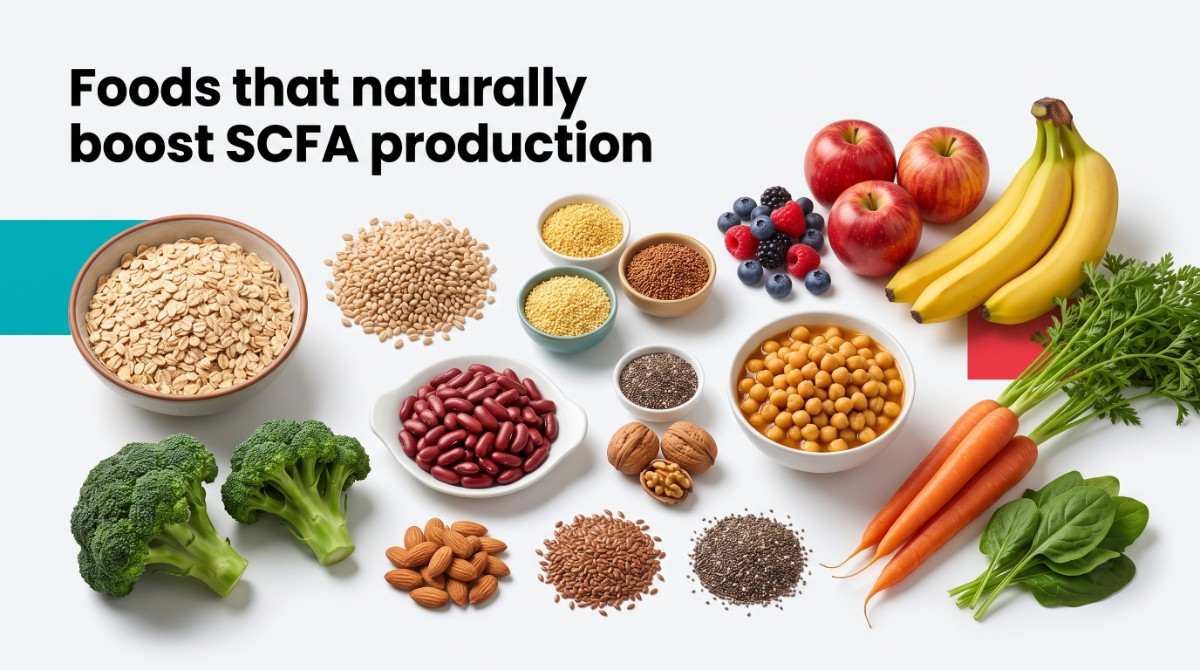
Since SCFAs are produced when gut bacteria ferment dietary fibre, the goal isn't to consume SCFAs directly but to feed the bacteria that make them. Some of the best foods for supporting gut bacteria in diabetes include:
1. High-Fiber Whole Grains
Oats
Barley
Whole wheat
Millets like jowar, bajra, and ragi
2. Legumes and Pulses
Rajma
Chole
Moong dal
Masoor dal
Chickpeas
3. Fruits
Apples
Pears
Guava
Oranges
Berries (when available)
4. Vegetables
- Broccoli
Carrots
Beetroot
Cauliflower
Spinach
Okra
5. Nuts and Seeds
Almonds
Walnuts
Flaxseeds
Chia seeds
These foods provide the fibre needed by beneficial bacteria to produce SCFAs while also supporting better digestion and overall metabolic health.
Don't forget resistant starch
Not all fibre behaves the same way. Another important nutrient for the gut microbiome is resistant starch, a type of carbohydrate that escapes digestion and reaches the colon intact. Good sources include:
Cooked and cooled rice
Cooked and cooled potatoes
Green bananas
Overnight oats
Lentils
Beans
Resistant starch acts as a prebiotic, encouraging beneficial bacteria to produce more butyrate and other SCFAs. Including these foods in moderation, as part of a personalised meal plan, can support both gut health and blood sugar management.
Can supplements replace a healthy diet?
With growing interest in gut health, supplements containing butyrate, probiotics, or prebiotics have become increasingly popular. While they may benefit some individuals, they are not a substitute for a balanced, fibre-rich diet.
The gut microbiome is incredibly diverse, and no single supplement can replicate the effects of eating a wide variety of plant-based foods. In addition, not every probiotic strain survives digestion or colonises the gut effectively.
The most sustainable way to increase SCFA production is by consistently consuming foods that nourish beneficial bacteria. Supplements, if needed, should always be considered under the guidance of a qualified healthcare professional.
Simple habits to support your gut microbiome
Improving your diabetes gut microbiome involves more than just changing your diet. Daily lifestyle habits also influence the diversity and activity of gut bacteria.
Here are a few simple practices that can make a difference:
Aim to include a variety of fibre-rich foods each week rather than eating the same meals every day.
Stay physically active, as regular exercise has been shown to improve microbial diversity.
Prioritise 7–9 hours of quality sleep to support both gut and metabolic health.
Manage stress through relaxation techniques, mindfulness, or regular physical activity, as chronic stress can negatively affect the gut microbiome.
Avoid unnecessary antibiotic use, since antibiotics can reduce both harmful and beneficial bacteria.
Small, consistent lifestyle changes often have a greater long-term impact than drastic dietary restrictions.
The future of diabetes care starts in the gut
The science of the gut microbiome and diabetes is still evolving, but one message is already clear: diabetes management is about much more than reducing sugar intake.
A healthy gut microbiome produces SCFAs that helps regulate inflammation, supports insulin sensitivity, strengthens the intestinal barrier, and promotes better blood sugar control. While these compounds are not a cure for diabetes, they represent an important link between nutrition, gut health, and metabolic well-being.
As researchers continue to explore this connection, dietary strategies that support SCFA production are becoming an increasingly valuable part of comprehensive diabetes care.
Conclusion
The relationship between short-chain fatty acids and diabetes highlights how closely our digestive system and metabolic health are connected. These naturally produced compounds, created by healthy gut bacteria, do much more than support digestion. They influence insulin sensitivity, reduce chronic inflammation, strengthen the intestinal barrier, and contribute to better SCFAs and blood sugar control.
The good news is that supporting SCFA production doesn't require extreme diets or expensive supplements. A balanced eating pattern rich in fibre, legumes, whole grains, fruits, vegetables, and other gut-friendly foods can help nourish your microbiome and promote long-term health.
At Metabulix, we believe effective diabetes care goes beyond calorie counting or temporary diet plans. By understanding your unique health profile, lifestyle, and gut health, our experts create personalised nutrition strategies that are practical, sustainable, and tailored to Indian dietary habits. If you're looking to improve your blood sugar while building a healthier gut, a personalised approach can help you achieve lasting results.
Frequently Asked Questions
Q: What are short-chain fatty acids (SCFAs)?
Short-chain fatty acids are beneficial compounds produced when healthy gut bacteria ferment dietary fibre in the large intestine. The three main SCFAs are acetate, propionate, and butyrate.
Q: How do SCFAs help with diabetes?
SCFAs may improve insulin sensitivity, stimulate hormones like GLP-1 that regulate blood sugar, reduce inflammation, and strengthen the gut barrier, all of which support better diabetes management.
Q: Which foods increase SCFA production?
Fibre-rich foods such as whole grains, legumes, fruits, vegetables, nuts, seeds, and resistant starch sources like cooled rice and green bananas help increase SCFA production.
Q: Is butyrate the most important SCFA?
Butyrate is particularly beneficial because it fuels the cells lining the colon, strengthens the gut barrier, reduces inflammation, and supports healthy metabolic function.
Q: Can improving gut health reverse diabetes?
Improving gut health alone cannot reverse diabetes, but it may significantly improve blood sugar management when combined with a healthy diet, regular exercise, medication (if prescribed), and medical supervision.