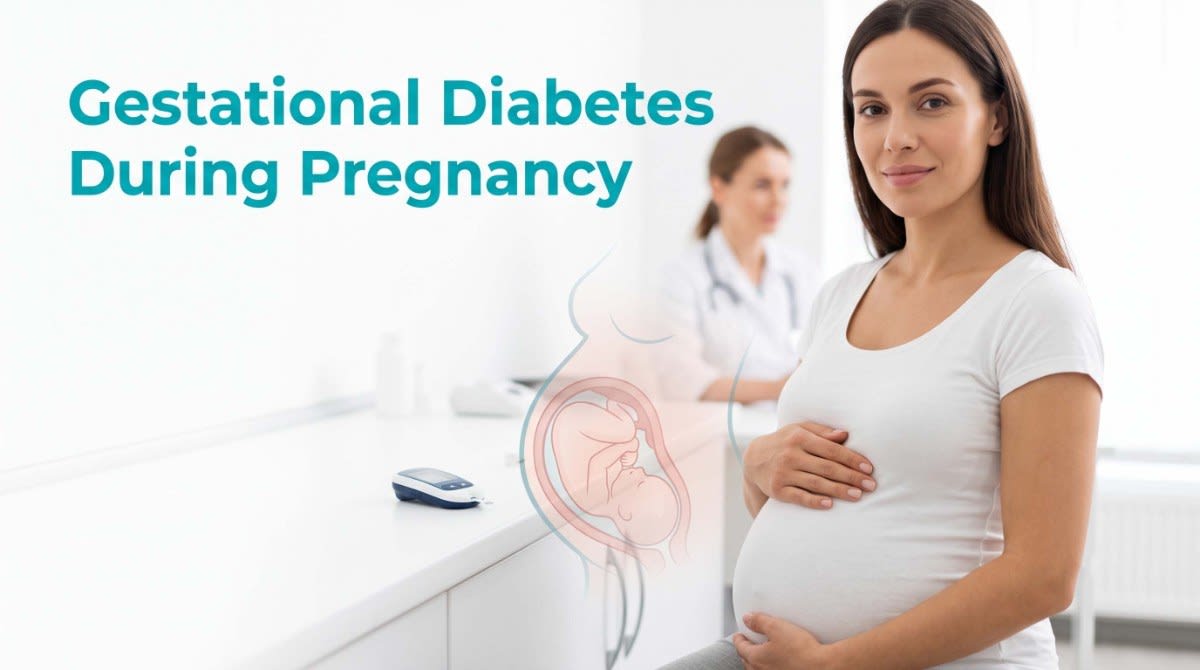

Diabetes does not always look the same in women as it does in men. The familiar symptoms such as increased thirst, frequent urination, fatigue, and blurred vision can occur in anyone, but women may also experience changes involving their menstrual cycle, vaginal health, fertility, and hormones.
This is one reason diabetes symptoms in women can sometimes be overlooked. A recurring yeast infection may be treated as a common infection. Irregular periods may be attributed to stress or PCOS. Persistent fatigue may be blamed on a busy routine. When the underlying problem is high blood sugar, however, treating individual symptoms without checking glucose levels can delay diagnosis.
Type 2 diabetes can develop gradually, and some people have very mild symptoms or none at all. Recognising the broader pattern can help women seek testing earlier and address blood sugar problems before they lead to complications.
Common Diabetes Symptoms in Women
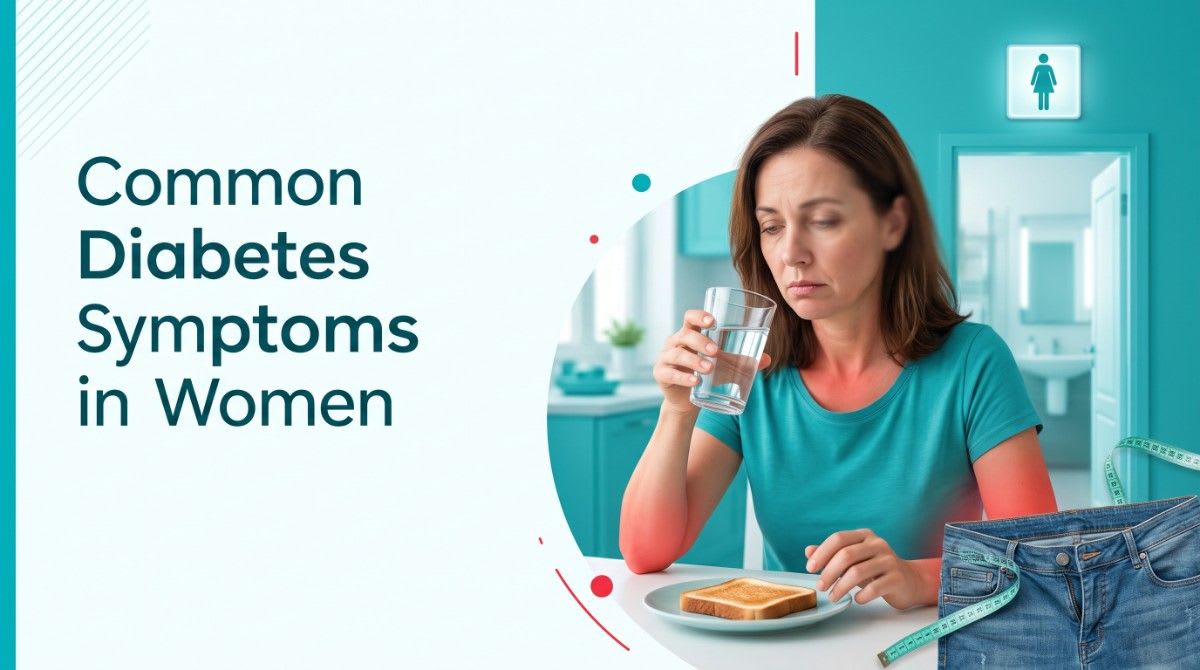
Many diabetes signs in females are the same as those seen in men. The difference is that women may experience additional reproductive or genitourinary symptoms that are easier to attribute to other conditions.
Increased Thirst and Frequent Urination
When glucose levels become too high, the kidneys work to remove excess glucose through urine. This increases urine production and can lead to dehydration, which in turn causes excessive thirst.
If you are suddenly urinating more often, particularly during the night, and drinking considerably more water than usual, these changes may be worth discussing with a healthcare professional.
Increased Hunger
Feeling unusually hungry, even after eating, can be another sign of diabetes. When blood glucose remains high, insulin may not work effectively enough to help glucose enter the body's cells for energy. As a result, the body may continue to signal hunger even when you have eaten. Persistent or unexplained increases in appetite, especially when accompanied by increased thirst, frequent urination, fatigue, or unexplained weight changes, may be worth discussing with a healthcare professional.
Persistent Fatigue
Feeling tired after a demanding day is normal. Persistent fatigue that continues despite adequate sleep is different.
When insulin is not working effectively, glucose cannot be used properly by the body's cells for energy. High blood sugar can therefore leave you feeling unusually tired, while repeated nighttime urination can further disturb sleep.
Unexplained Weight Changes
Unexpected weight loss can occur when the body cannot use glucose efficiently and begins breaking down fat and muscle for energy. On the other hand, insulin resistance is commonly associated with weight gain, particularly around the abdomen.
A noticeable change in weight without an obvious change in diet or activity deserves attention, especially when accompanied by other symptoms.
Blurred Vision
High blood sugar can temporarily alter the fluid balance in the lens of the eye, affecting vision. Some women may notice that their eyesight becomes blurry or changes from day to day.
Although temporary blurred vision can improve when glucose levels are controlled, persistent high blood sugar can contribute to long-term eye complications.
Diabetes, PCOS and Hormonal Symptoms

The relationship between diabetes and PCOS symptoms is particularly important in women of reproductive age.
PCOS and Type 2 diabetes are not the same condition, but they are closely connected through metabolic health. PCOS is commonly associated with insulin resistance, which can increase the risk of abnormal glucose regulation and Type 2 diabetes. Women may experience irregular periods, acne, increased facial or body hair, or difficulty with ovulation.
This can create a confusing situation. A woman may focus entirely on her PCOS symptoms without realising that she also has an increased risk of abnormal blood glucose.
The connection works both ways. Not every woman with PCOS develops diabetes, and diabetes does not automatically mean someone has PCOS. However, women with PCOS may benefit from appropriate glucose screening, particularly when other risk factors are present.
Diabetes, Menstrual Health and Fertility

Changes in the menstrual cycle can sometimes be among the diabetes symptoms in women, particularly when blood sugar is poorly controlled.
Diabetes has been associated with menstrual irregularities, including cycles that become less predictable or changes in bleeding patterns. Metabolic and hormonal changes can also affect ovulation, which may make conception more difficult for some women.
Fertility concerns should never automatically be attributed to diabetes. There can be many causes, including PCOS, thyroid disorders, age, reproductive conditions, and male-factor infertility.
However, if irregular periods, difficulty conceiving, weight changes, and other signs of insulin resistance occur together, checking metabolic health can be an important part of the evaluation.
Diabetes Symptoms During Pregnancy

Pregnancy naturally changes how the body responds to insulin. As pregnancy progresses, hormones produced by the placenta can make insulin less effective. Some women are unable to produce enough additional insulin to compensate, resulting in gestational diabetes.
An important point is that diabetes symptoms during pregnancy may be very mild or completely absent. This is why gestational diabetes is commonly identified through screening rather than symptoms alone.
When symptoms do occur, they can include increased thirst and more frequent urination, but these can easily be confused with normal pregnancy changes.
Women who already have diabetes before pregnancy also need careful blood glucose management. Good glucose control before conception and during pregnancy can help reduce pregnancy-related risks and support healthy foetal development.
When Should Women Consider Diabetes Testing?
You don't need to wait until symptoms become severe before getting tested.
Testing is especially worth discussing with a healthcare professional if you have several diabetes symptoms together, a family history of Type 2 diabetes, overweight or obesity, PCOS, high blood pressure, a history of gestational diabetes, or other metabolic risk factors.
Tests such as HbA1c, fasting plasma glucose, and an oral glucose tolerance test can be used to screen for or diagnose diabetes and prediabetes, depending on the individual's situation.
Conclusion
Diabetes symptoms in women can extend beyond familiar signs such as increased thirst, frequent urination, increased hunger, fatigue, and blurred vision. Changes in menstrual health, recurrent infections, PCOS-related insulin resistance, fertility concerns, and pregnancy-related blood sugar changes can all make the picture more complex.
The important thing is not to assume that every menstrual or hormonal problem is caused by diabetes. Instead, look at the symptoms together and consider whether blood sugar testing should be part of the bigger picture.
At Metabulix, we take a personalised approach to diabetes and metabolic health, considering your nutrition, lifestyle, hormonal health, and individual risk factors. Understanding the signals your body is giving you is the first step toward making informed, sustainable changes.
Frequently Asked Questions
Q: Can diabetes affect periods?
Yes, poorly controlled diabetes has been associated with menstrual irregularities and other reproductive problems. However, irregular periods can have many causes, so persistent changes should be evaluated rather than automatically attributed to diabetes.
Q: Does diabetes cause yeast infections in women?
High blood sugar can make yeast infections more likely because elevated glucose can support fungal growth and can affect immune function. Recurrent infections, particularly when accompanied by other diabetes symptoms, may warrant blood sugar testing.
Q: What diabetes symptoms are more commonly noticed in women?
Many diabetes symptoms are not exclusive to women, but women may experience or notice diabetes alongside menstrual changes, recurrent vaginal yeast infections, PCOS-related metabolic problems, and fertility concerns.
Q: Can diabetes affect fertility in women?
Diabetes can affect reproductive health, particularly when blood sugar is poorly controlled. Metabolic and hormonal changes may contribute to menstrual irregularities or problems with ovulation. However, fertility has many possible causes and requires individual evaluation.
Q: Is PCOS linked to diabetes risk?
Yes, PCOS is commonly associated with insulin resistance, and women with PCOS have an increased risk of developing Type 2 diabetes. Appropriate screening and long-term metabolic health management can therefore be important for women with PCOS.