Hearing that you have diabetes during pregnancy can feel overwhelming. One of the first questions most parents ask is, "Will my baby be okay?" The reassuring news is that with early diagnosis, good blood sugar control, and the right medical care, most women with gestational diabetes go on to have healthy pregnancies and healthy babies.
However, uncontrolled blood sugar doesn't affect only the mother. Extra glucose can cross the placenta and influence how the baby grows inside the womb. Depending on how well diabetes is managed, it may lead to excessive birth weight, slower growth in some cases, or complications before and after delivery. Understanding how diabetes during pregnancy affects your baby's growth is the first step toward protecting both your health and your baby's.
What Is Diabetes During Pregnancy?
Diabetes during pregnancy' refers to high blood sugar levels that occur either because:
The mother develops gestational diabetes, usually between the 24th and 28th week of pregnancy, or
She already has Type 1 or Type 2 diabetes before becoming pregnant.
During pregnancy, the placenta produces hormones that help the baby grow. These same hormones also reduce the effectiveness of insulin, a condition called insulin resistance. Normally, the pancreas responds by producing extra insulin. But when it cannot produce enough, glucose begins to build up in the bloodstream.
This excess glucose doesn't stay only in the mother's body. It also reaches the developing baby through the placenta.
How Does High Blood Sugar Reach the Baby?
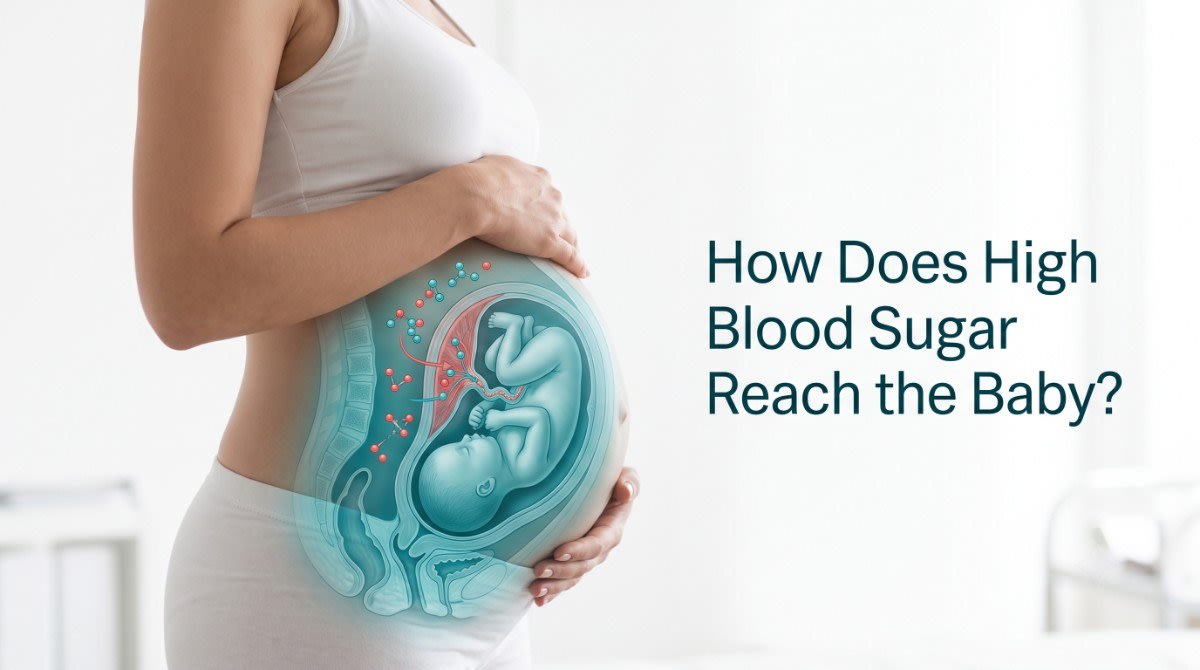 One common misconception is that insulin crosses the placenta. It doesn't. Glucose crosses the placenta, but insulin does not. This difference is extremely important.
When a pregnant woman has high blood sugar during pregnancy, excess glucose travels through the placenta and enters the baby's bloodstream. Since the mother's insulin cannot reach the baby, the baby's pancreas has to work harder and produce its own insulin to manage the extra sugar.
Over time, the baby's pancreas begins producing large amounts of insulin, a condition known as foetal hyperinsulinism.
While insulin helps regulate blood sugar, it is also one of the body's strongest growth hormones. This is why babies exposed to uncontrolled maternal diabetes often grow larger than expected.
Why Does Gestational Diabetes Increase Birth Weight?
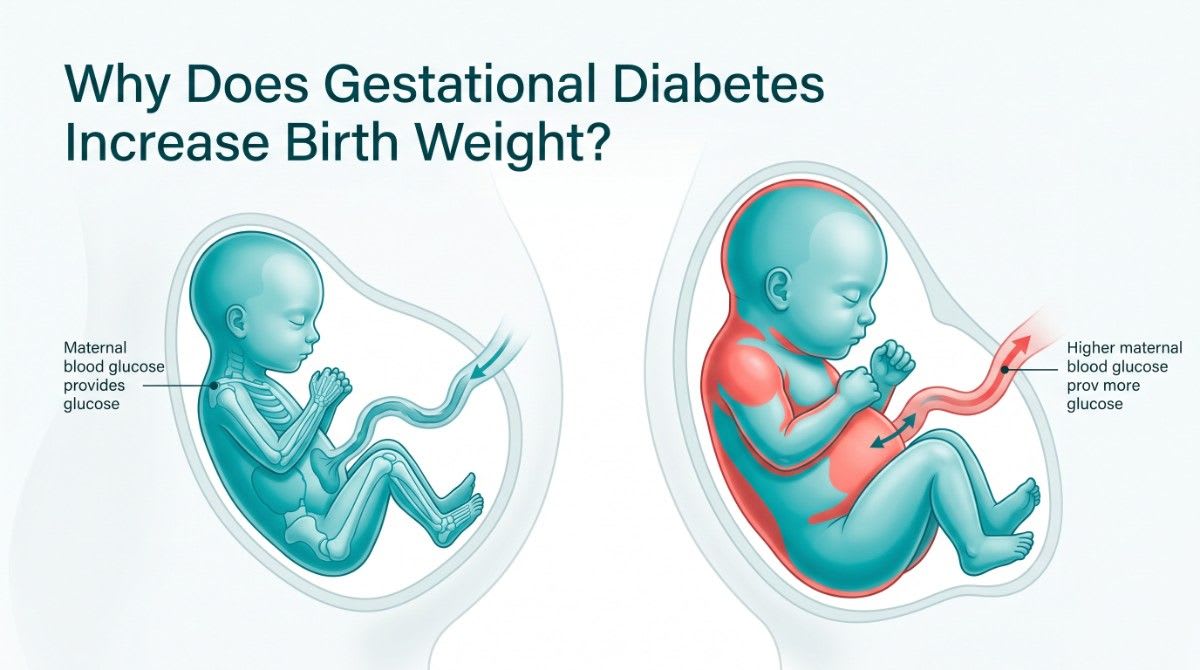
The baby's extra insulin doesn't just lower blood sugar. It also encourages the body to store more fat and use more nutrients for growth.
As a result, the baby may develop a condition called macrosomia, where birth weight exceeds approximately 4 kilograms or is significantly higher than expected for the baby's gestational age.
This explains the close relationship between birth weight and gestational diabetes.
Babies with macrosomia often have the following:
More body fat around the shoulders and abdomen
Larger chest circumference
Bigger organs such as the liver and heart
Higher overall birth weight
Interestingly, the baby's brain usually grows at a normal rate. Instead, it's the shoulders, chest, and trunk that become disproportionately larger, increasing the likelihood of delivery complications.
Is Every Baby of a Mother With Diabetes Overweight?
No, while macrosomia is common in poorly controlled gestational diabetes, not every baby becomes unusually large.
Several factors influence foetal growth, including:
How well the mother's blood sugar is controlled
When diabetes develops during pregnancy
The mother's overall nutrition
Placental health
Pre-existing medical conditions such as high blood pressure
In some pregnancies, particularly when diabetes affects the blood vessels supplying the placenta, the baby may actually receive less oxygen and fewer nutrients. This can result in restricted foetal growth, causing the baby to have a lower-than-average birth weight.
In other words, diabetes during pregnancy can lead to either a larger baby or, less commonly, a smaller baby, depending on how the condition affects the pregnancy.
How Excess Insulin Changes the Baby's Growth
Insulin acts as a powerful growth signal for the developing foetus.
When the baby's pancreas continuously produces excess insulin, several changes occur:
Increased Fat Storage
Instead of simply using glucose for energy, the foetus stores more fat beneath the skin. This is why babies born to mothers with uncontrolled diabetes often appear chubbier at birth.
Faster Growth of Internal Organs
The liver, heart, and other organs may become enlarged due to prolonged exposure to high insulin levels.
Higher Oxygen Demand
A larger baby requires more oxygen. Sometimes the placenta cannot keep up with this increased demand, placing additional stress on the foetus during the later stages of pregnancy.
This is one reason why doctors closely monitor pregnancies affected by diabetes, especially during the third trimester.
How Does Diabetes Affect the Placenta?
The placenta is the baby's lifeline, delivering oxygen and nutrients throughout pregnancy.
Persistently high blood sugar can affect how efficiently the placenta functions. Elevated glucose levels may alter placental blood vessels, increase inflammation, and reduce the efficiency of nutrient exchange over time.
Although the placenta initially compensates, uncontrolled diabetes can eventually place both mother and baby at greater risk of complications, particularly toward the end of pregnancy.
This is why regular blood sugar monitoring, foetal growth scans, and prenatal check-ups are essential for women diagnosed with gestational diabetes.
Why Does Blood Sugar Control Matter Throughout Pregnancy?
Many women believe that slightly elevated blood sugar levels are harmless because they don't cause immediate symptoms. However, the baby is exposed to those glucose levels every day.
Even moderate but persistent elevations in blood sugar can influence foetal growth over several weeks. The longer blood sugar remains uncontrolled, the greater the chance of excessive foetal growth and pregnancy-related complications.
The encouraging news is that maintaining healthy glucose levels through personalised nutrition, regular physical activity, and medical guidance can significantly reduce these risks. Studies have shown that women who manage their blood sugar well are much less likely to deliver babies with excessive birth weight compared with those whose diabetes remains uncontrolled.
Birth Complications Associated with High Birth Weight
One of the biggest concerns with foetal weight in gestational diabetes is that a larger baby can make labour and delivery more difficult. While many women with gestational diabetes have normal deliveries, uncontrolled blood sugar increases the chances of complications during childbirth.
Some of the common complications include:
Shoulder Dystocia
A baby with a larger shoulder circumference may have difficulty passing through the birth canal after the head is delivered. This condition, known as shoulder dystocia, is a medical emergency that requires immediate intervention to safely deliver the baby.
Increased Chances of a Caesarean Delivery
When scans suggest the baby is significantly larger than average, doctors may recommend a planned C-section to reduce the risk of birth injuries for both mother and baby.
Birth Injuries
Larger babies have a slightly higher risk of injuries during delivery, including fractures of the collarbone or temporary nerve injuries affecting the shoulder or arm. Fortunately, many of these injuries recover completely with appropriate medical care.
These risks highlight why regular prenatal check-ups and monitoring birth weight and gestational diabetes are so important throughout pregnancy.
How Diabetes During Pregnancy Affects Your Newborn After Birth
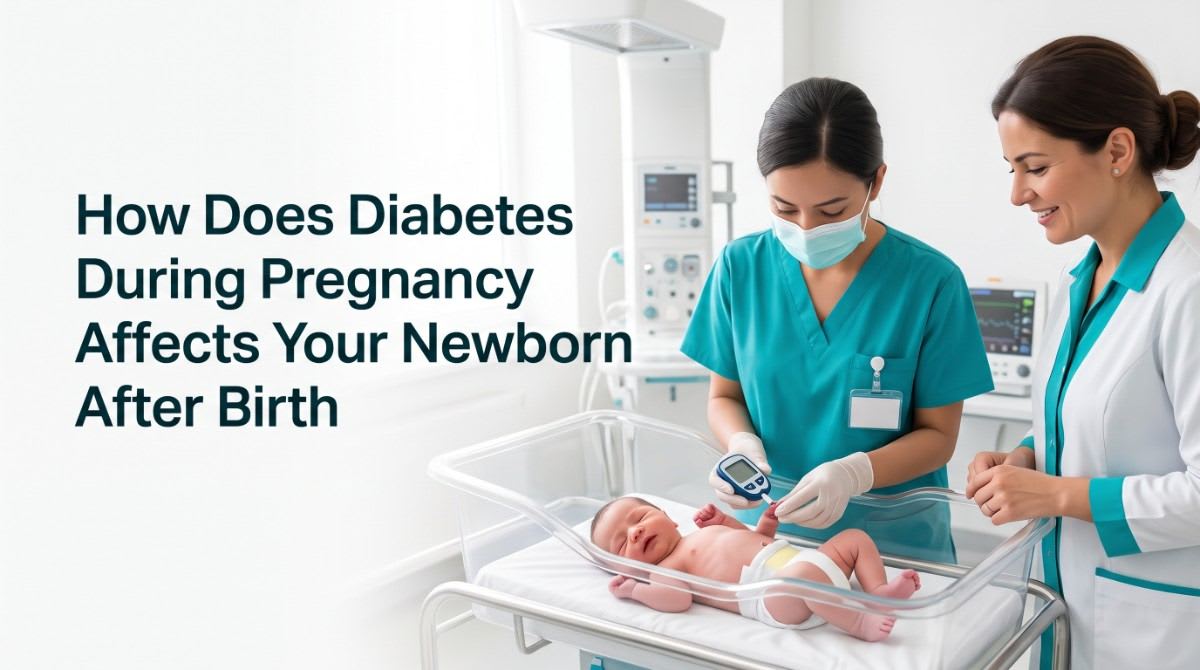
The effects of diabetes during pregnancy do not always end once the baby is born. After delivery, the baby's body must quickly adapt to life outside the womb, and this transition can be more challenging if maternal blood sugar was poorly controlled.
Low Blood Sugar (Neonatal Hypoglycaemia)
Before birth, the baby is exposed to excess glucose from the mother and responds by producing large amounts of insulin.
However, once the umbilical cord is cut, the glucose supply from the mother suddenly stops, while the baby's insulin levels remain high for a short time. This can cause the baby's blood sugar to drop rapidly, leading to neonatal hypoglycaemia.
Symptoms may include:
Poor feeding
Jitteriness or shaking
Excessive sleepiness
Weak cry
Breathing difficulties
In severe cases, seizures
For this reason, babies born to mothers with gestational diabetes usually have their blood sugar checked within the first few hours after birth.
Breathing Difficulties
Even when born at full term, babies of mothers with poorly controlled diabetes may have a slightly higher risk of breathing problems.
High insulin levels can delay the production of surfactant, a substance that helps keep the lungs open after birth. Without enough surfactant, the baby may experience respiratory distress and require temporary oxygen support or care in the neonatal intensive care unit (NICU).
Jaundice
Some newborns may develop newborn jaundice, where the skin and eyes appear yellow due to increased bilirubin levels.
Although jaundice is common in many healthy newborns, babies born to mothers with diabetes may have a slightly increased likelihood of developing it and may require phototherapy if bilirubin levels become too high.
Increased Risk of NICU Admission
Not every baby born to a mother with gestational diabetes requires intensive care. However, babies with low blood sugar, breathing difficulties, or other complications may need short-term monitoring in the NICU until they are stable.
Early monitoring allows healthcare teams to identify and manage problems before they become serious.
Can Diabetes During Pregnancy Affect Your Child Later in Life?
Research suggests that exposure to high blood sugar in the womb may influence a child's long-term metabolic health.
Children born to mothers with poorly controlled diabetes may have a higher risk of the following:
Childhood obesity
Insulin resistance
Prediabetes
Type 2 diabetes later in life
Metabolic syndrome
This doesn't mean these outcomes are inevitable. Genetics, nutrition, physical activity, and lifestyle during childhood all play an important role. However, maintaining healthy blood sugar during pregnancy may help reduce these long-term risks.
How Good Blood Sugar Control Protects Your Baby
The reassuring news is that gestational diabetes is manageable.
When blood sugar levels remain within the recommended range, the baby's growth is more likely to stay normal, and the risk of complications decreases significantly.
Managing pregnancy and blood sugar usually involves:
Eating balanced, portion-controlled meals rich in fibre and protein
Choosing complex carbohydrates over refined sugars
Staying physically active with doctor-approved exercises
Monitoring blood sugar regularly
Taking insulin or medication if prescribed
Attending regular prenatal appointments and growth scans
The goal isn't to eliminate carbohydrates but to ensure they are consumed in the right quantity and at the right time to support both mother and baby.
Practical Nutrition Tips for Indian Mothers with Gestational Diabetes

Healthy eating during pregnancy doesn't mean following a restrictive diet. Instead, focus on meals that provide steady energy and help prevent sharp blood sugar spikes.
Some simple tips include:
Pair carbohydrates like roti or rice with dal, paneer, eggs, or lean protein.
Include vegetables in both lunch and dinner to increase fibre intake.
Choose whole grains such as oats, whole wheat, or millets instead of refined flour.
Avoid sugary beverages, sweets, and packaged snacks as everyday foods.
Eat smaller, frequent meals rather than large portions at once.
Stay hydrated and avoid skipping meals, especially breakfast.
Since every pregnancy is different, nutrition plans should always be personalised based on blood sugar readings, weight, and overall health.
Conclusion
Being diagnosed with diabetes during pregnancy can feel overwhelming, but it doesn't mean your pregnancy cannot be healthy. The key is understanding how maternal blood sugar affects your baby's growth and taking timely steps to manage it.
From influencing foetal weight in gestational diabetes to affecting a newborn's blood sugar levels after birth, uncontrolled diabetes can have important consequences. The encouraging part is that many of these risks can be minimised through early screening, personalised nutrition, regular monitoring, and appropriate medical care.
At Metabulix, we understand that every pregnancy is unique. Our personalised diabetes management programs are designed to help expectant mothers maintain healthy blood sugar levels with practical nutrition guidance, lifestyle support, and evidence-based care tailored to Indian dietary habits. With the right support, you can protect both your health and your baby's, giving your little one the healthiest possible start in life.
Frequently Asked Questions
Q: Does gestational diabetes always cause a large baby?
No. Good blood sugar control significantly reduces the risk of excessive fetal growth. Some babies may have a normal birth weight, while others may even be smaller if placental function is affected.
Q: Can gestational diabetes harm my baby?
If left unmanaged, gestational diabetes can increase the risk of complications such as high birth weight, low blood sugar after birth, breathing problems, and delivery complications. However, with proper treatment and monitoring, most pregnancies have healthy outcomes.
Q: Will my baby develop diabetes?
Not necessarily. Although children born to mothers with uncontrolled diabetes may have a higher lifetime risk of obesity and Type 2 diabetes, healthy lifestyle habits can greatly reduce this risk.
Q: Can gestational diabetes be controlled without insulin?
Many women successfully manage gestational diabetes through healthy eating, physical activity, and regular blood sugar monitoring. Some may require insulin or medication depending on their blood sugar levels and their doctor's recommendation.
Q: Does gestational diabetes disappear after delivery?
In most cases, blood sugar levels return to normal after childbirth. However, women who have had gestational diabetes have a higher risk of developing Type 2 diabetes later in life, making regular follow-up important.