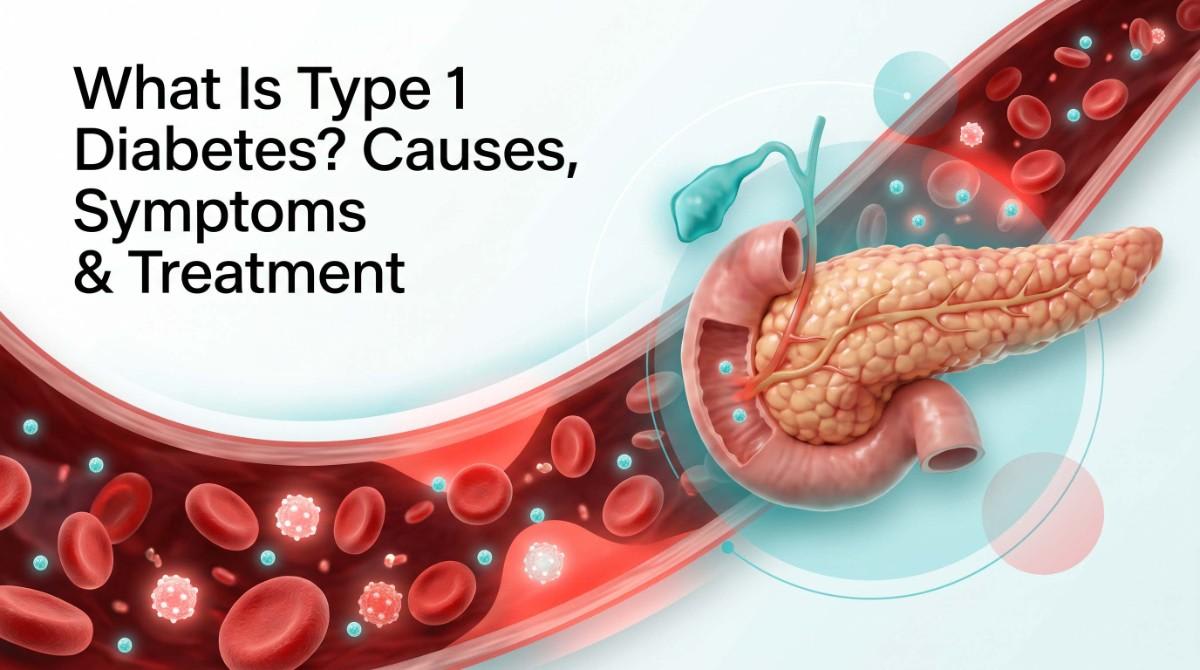

Diabetes does not only affect your blood sugar. It can also quietly change the health of your heart and blood vessels.
You may be checking your glucose regularly and still have other cardiovascular risk factors that need attention. High blood pressure, unhealthy cholesterol levels, excess abdominal fat, kidney disease, smoking, and physical inactivity can all add to the risk.
In fact, adults with diabetes are nearly twice as likely to have heart disease or stroke as adults without diabetes. High blood glucose can damage blood vessels and the nerves that control the heart and blood vessels over time.
This is why understanding the connection between diabetes and heart disease matters. Protecting your heart is not a separate task from managing diabetes. It is an important part of the same overall approach to metabolic health.
Why does diabetes increase heart disease risk?
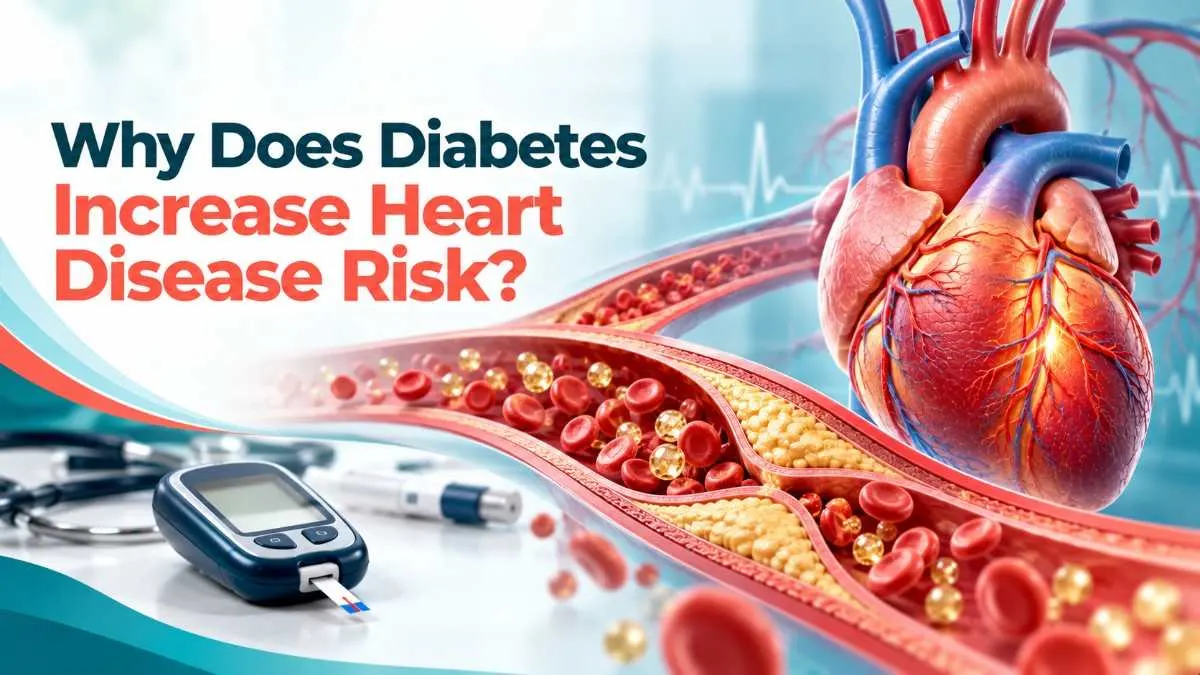
The connection starts with what prolonged high blood sugar does to your blood vessels.
When glucose remains elevated over time, it can damage the lining of the arteries and contribute to the development of atherosclerosis. This causes plaque to build up inside blood vessels, gradually making them narrower and less flexible.
However, blood sugar is only one part of the equation.
Diabetes often occurs alongside high blood pressure, abnormal cholesterol, excess weight, and kidney disease. Each of these factors can increase cardiovascular risk, and their effects can add up when they occur together.
This explains why someone with diabetes may need to pay attention to their blood pressure and cholesterol even when their glucose appears well managed.
How insulin resistance affects cardiovascular health
In Type 2 diabetes, insulin resistance means the body's cells do not respond to insulin as effectively as they should.
Insulin resistance commonly occurs alongside excess abdominal fat and other metabolic abnormalities. Over time, this can create an environment in which blood pressure, blood lipids, weight, and glucose become more difficult to manage.
The result is not one isolated problem. It is a cluster of factors that can place increasing stress on the cardiovascular system.
Connection between diabetes, blood pressure and cholesterol
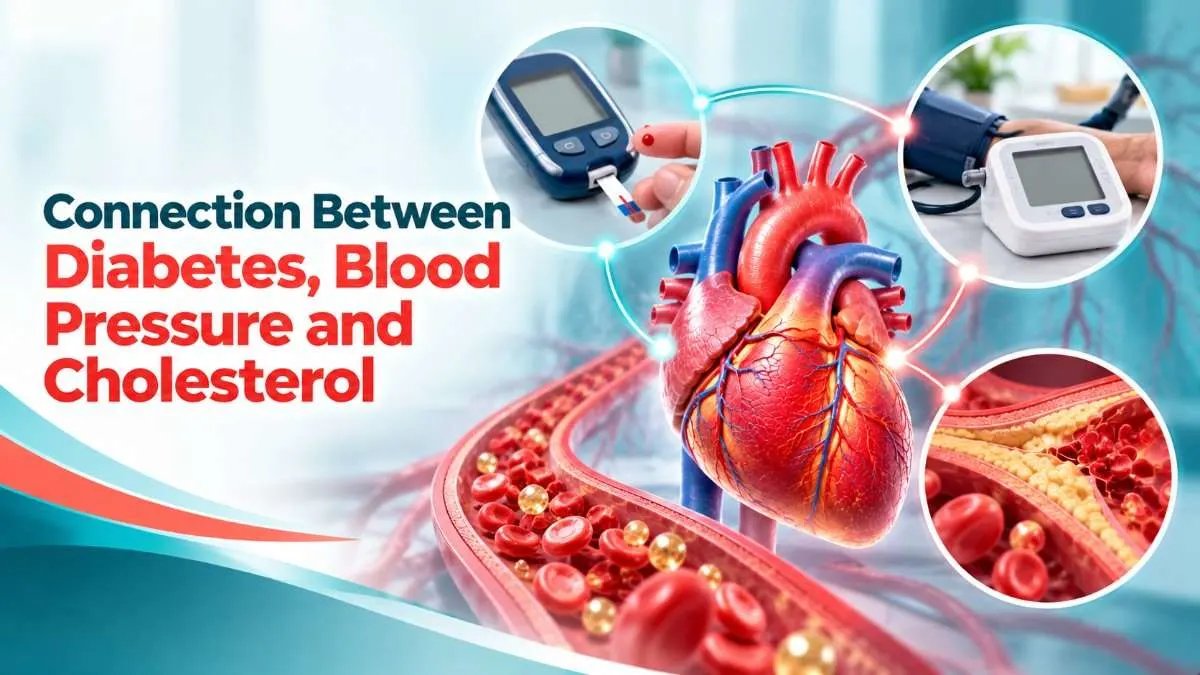
Think of blood sugar, blood pressure, and cholesterol as different parts of the same cardiovascular picture.
Why does blood pressure matter?
High blood pressure makes the heart work harder and places continuous stress on blood vessel walls.
It is particularly important in diabetes because hypertension increases the risk of cardiovascular disease as well as kidney complications. Blood pressure can remain high without causing noticeable symptoms, which is why regular measurement matters even when you feel well.
Current diabetes guidance recommends individualising blood pressure goals according to cardiovascular risk, potential treatment effects, and the person's overall health.
Why does cholesterol matter?
Cholesterol is another important part of cardiovascular risk.
When levels of atherogenic cholesterol are elevated, cholesterol can contribute to plaque formation inside the arteries. This can gradually restrict blood flow and raise the risk of cardiovascular events.
For people with diabetes, lipid management is based on overall cardiovascular risk rather than one universal number. Lifestyle changes, nutrition, physical activity, and medication when appropriate can all play a role.
Why does blood sugar still matter?
Managing blood pressure and cholesterol does not make glucose control less important.
Persistently elevated blood glucose can contribute to vascular damage, so maintaining your glucose within the range recommended by your healthcare professional remains an important part of protecting cardiovascular health.
The important point is that diabetes care should address blood sugar, blood pressure, cholesterol, and other risk factors together rather than treating glucose as the only number that matters.
How does diabetes increase heart attack risk?
A heart attack occurs when blood flow to part of the heart muscle becomes blocked or severely reduced.
Over time, diabetes can contribute to the buildup of plaque inside the coronary arteries. If a plaque ruptures and a blood clot forms, blood flow may become blocked, depriving heart muscle of oxygen.
This is why diabetes and heart attack risk are closely linked.
The risk can become greater when diabetes is accompanied by hypertension, unhealthy cholesterol levels, smoking, obesity, kidney disease, or a family history of cardiovascular disease.
There is also an important reason not to rely only on the "classic" picture of a heart attack. People with diabetes-related nerve damage may experience less chest pain than expected. Other symptoms, including shortness of breath, sweating, nausea, unusual tiredness, or discomfort in the chest, arms, shoulders, back, neck, or jaw can also occur.
Sudden or severe symptoms that could indicate a heart attack require immediate emergency medical attention.
What heart screenings should people with diabetes get?

There is no single diabetes heart test that everyone needs.
Instead, cardiovascular prevention starts with regularly checking the factors that influence your risk.
Blood pressure monitoring
Blood pressure should be measured routinely because hypertension often has no symptoms. Current ADA guidance recommends checking blood pressure at every routine clinical visit or at least every six months, with more frequent monitoring when needed.
Lipid profile
A lipid profile measures cholesterol and triglycerides and helps your healthcare professional assess cardiovascular risk.
For people with diabetes, lipid testing may be performed at diagnosis and periodically thereafter, with additional monitoring when lipid-lowering treatment is started or changed.
HbA1c monitoring
HbA1c gives an estimate of average blood glucose over roughly the previous three months.
It is not a direct test of heart disease, but it helps assess long-term glucose management. Keeping glucose within your individual target is an important part of reducing diabetes-related health risks.
When are additional heart tests needed?
Not everyone with diabetes needs a stress test, ECG, or advanced cardiac imaging simply because they have diabetes.
Current guidance does not recommend routine screening for coronary artery disease in asymptomatic people when cardiovascular risk factors are already being appropriately managed. Additional investigation may be considered when someone has symptoms, signs of cardiovascular disease, or relevant ECG abnormalities.
This approach prevents unnecessary testing while making sure concerning symptoms are properly investigated.
What should a heart-healthy diet for diabetes look like?

A heart-healthy diet for diabetes should help manage glucose while supporting healthy blood pressure, cholesterol, and body weight.
Instead of eliminating entire food groups, focus on the overall pattern of your meals.
Vegetables, pulses, whole grains, nuts, seeds, and minimally processed foods can provide fibre and important nutrients. Protein can be included according to your individual needs, while excessive saturated and trans fat intake should be limited. Current diabetes guidance supports dietary patterns that emphasise plant foods, healthy fats, fibre, and appropriate calorie intake.
For an Indian diet, this could mean balancing rice or roti with vegetables, dal, beans, curd, paneer, eggs, fish, or another suitable protein source rather than removing carbohydrates completely.
However, there is no single diet that is right for everyone. Your nutritional needs may be different if you also have kidney disease, obesity, high triglycerides, or cardiovascular disease.
What can you do to protect your heart?
Heart health improves when several risk factors are addressed consistently.
1. Keep blood sugar within your individual target
Good glucose management reduces prolonged exposure to high blood sugar and remains an important part of comprehensive diabetes care.
2. Manage blood pressure and cholesterol
Do not focus on glucose while ignoring your blood pressure or lipid results. Managing these factors together can substantially influence your cardiovascular risk.
3. Stay physically active
Regular physical activity can improve insulin sensitivity, support weight management, and benefit cardiovascular fitness. Choose activities appropriate for your fitness level and medical condition.
4. Avoid smoking
Smoking damages blood vessels and increases cardiovascular risk. Stopping smoking is one of the most important changes you can make for your heart if you currently smoke.
5. Build sustainable lifestyle habits
Sleep, stress management, regular meals, and consistent physical activity all contribute to better metabolic health.
The goal is not perfection. It is a routine that you can maintain over the long term.
Can diabetes be managed to reduce heart disease risk? Yes, having diabetes means your cardiovascular risk is higher, but it does not mean that heart disease is unavoidable.
The most effective approach is to identify and manage the factors you can influence. These include blood glucose, blood pressure, cholesterol, weight, physical activity, smoking, and kidney health.
At Metabulix, we take a personalised approach to metabolic health. Our personalised nutrition and lifestyle programs are designed around your individual blood sugar goals, cardiovascular risk factors, dietary preferences, and everyday routine, helping you build sustainable habits that support both diabetes management and long-term heart health.This is why your diabetes treatment plan should be personalised rather than copied from someone else.
When should you talk to a doctor about heart health?
You do not need to wait for a cardiovascular symptom before discussing your risk.
Regular assessment is particularly important if diabetes is accompanied by high blood pressure, abnormal cholesterol, obesity, kidney disease, smoking, or a strong family history of heart disease.
Seek emergency medical attention for symptoms such as persistent or severe chest pain or pressure, significant shortness of breath, fainting, sudden weakness, confusion, or other symptoms that could indicate a heart attack or stroke.
Early attention to cardiovascular risk can help prevent a small problem from becoming a major one.
Conclusion
Diabetes and heart disease are closely connected, but your risk is not completely out of your hands.
Managing diabetes effectively means looking beyond your glucose reading. Blood pressure, cholesterol, body weight, physical activity, smoking, kidney health, and overall cardiovascular risk all deserve attention.
Regular screening can identify problems before they cause symptoms, while healthy eating, physical activity, appropriate treatment, and sustainable lifestyle changes can help protect your heart over time.
At Metabulix, we take a personalised approach to metabulix health. Our nutrition and lifestyle strategies are designed around your individual blood sugar goals, cardiovascular risk factors, dietary preferences, and everyday routine, helping you build sustainable habits that support both diabetes management and long-term heart health.