Polycystic ovary syndrome (PCOS) is one of the most common endocrine disorders affecting women of reproductive age. It can affect periods, ovulation, fertility, skin, hair, and metabolic health.
The World Health Organization estimates that PCOS affects around 10% to 13% of women of reproductive age worldwide. Estimates vary between studies because different populations and diagnostic criteria are used. Many affected women may also remain undiagnosed.
Understanding PCOS can help women recognise symptoms, seek appropriate evaluation, and manage the condition effectively.
What Does PCOS Stand For?
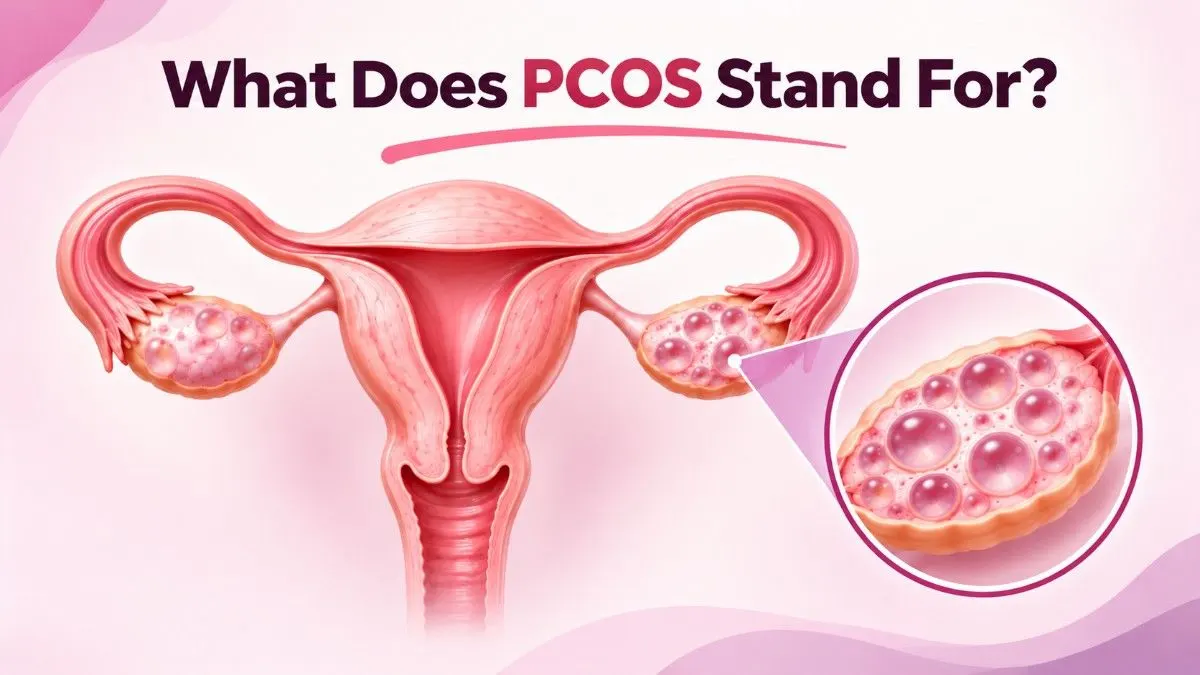
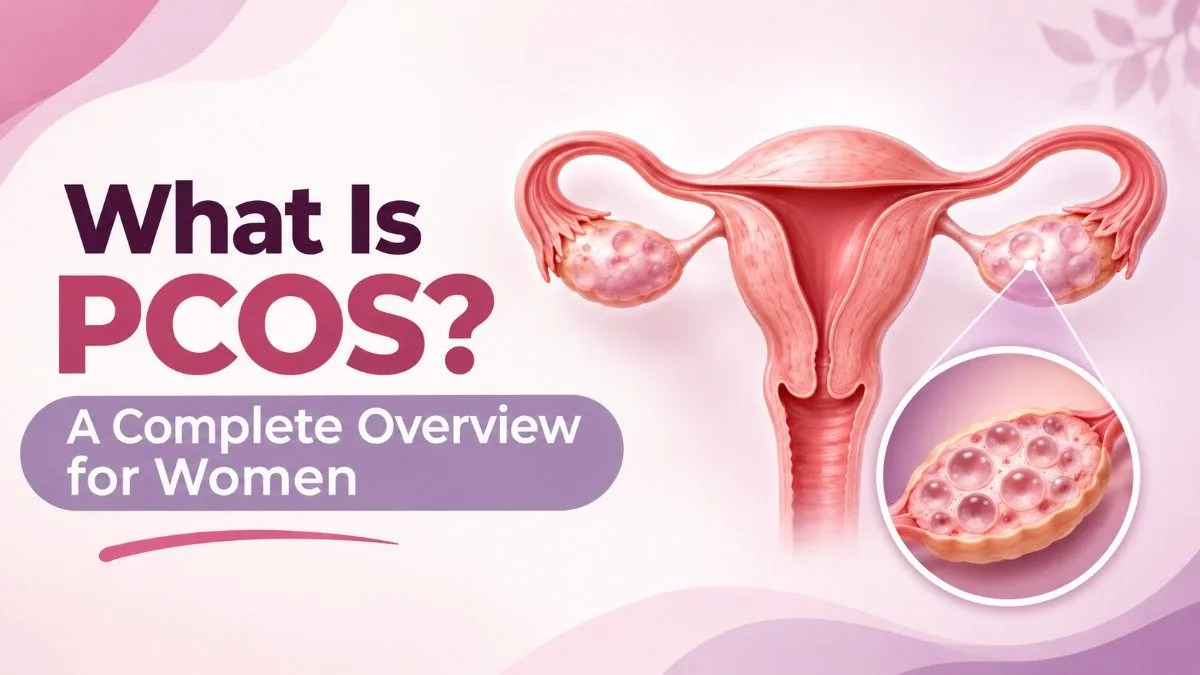
PCOS stands for polycystic ovary syndrome. It is an endocrine and metabolic syndrome characterised by ovulatory dysfunction and/or androgen excess, after other causes have been excluded.
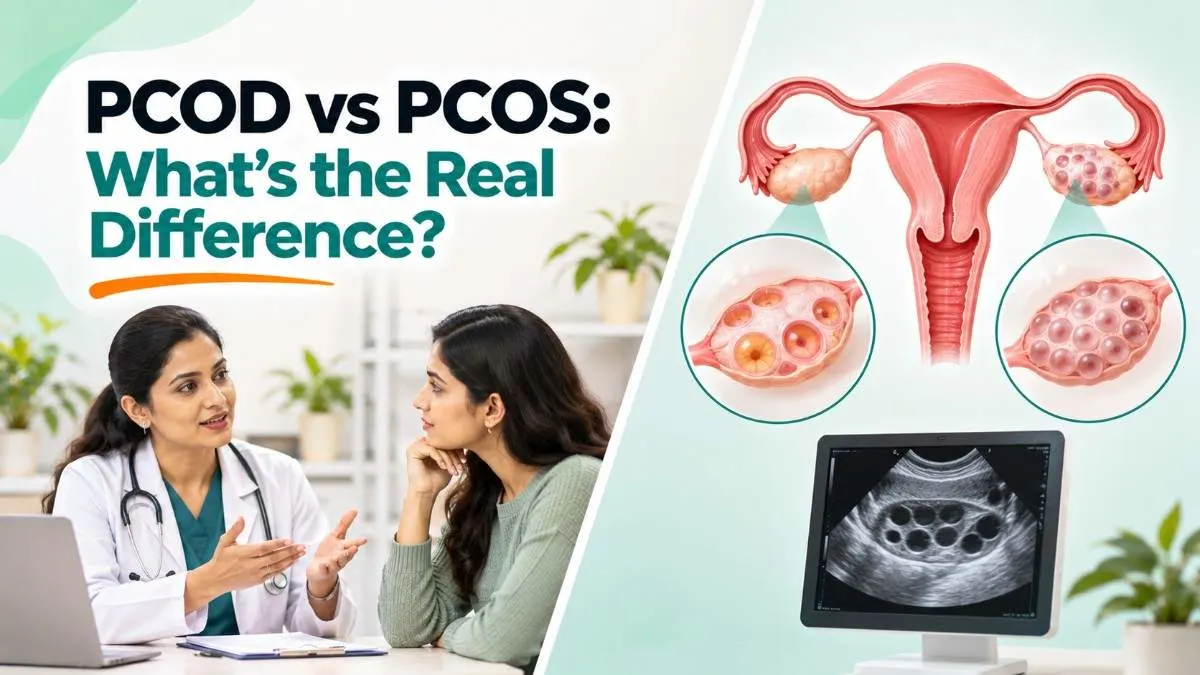
The name can be misleading. Having "polycystic" ovaries is not necessary to have PCOS. The small structures seen on an ultrasound are usually developing follicles rather than conventional ovarian cysts.
PCOS can involve irregular ovulation, androgen excess, and metabolic changes. Insulin resistance is common, but it is not present or clinically evident in everyone and is not required for diagnosis.
Common Symptoms of PCOS
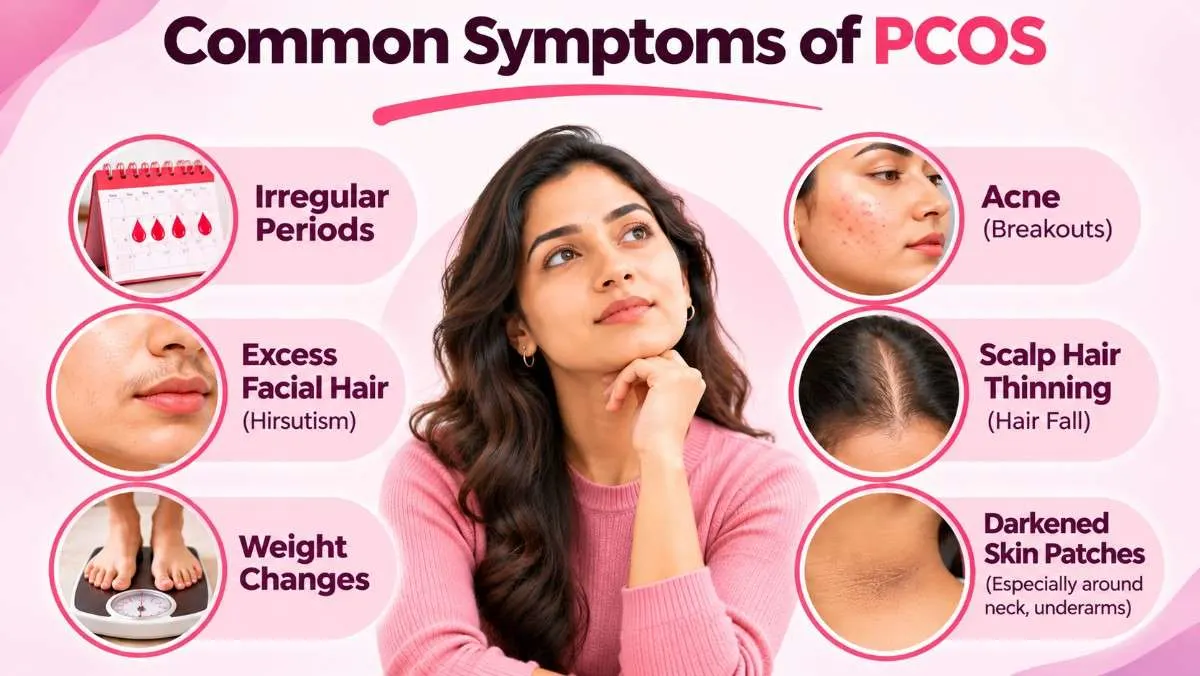
PCOS can look different from one person to another. Common symptoms include:
Irregular or absent periods
Difficulty becoming pregnant
Excess facial or body hair
Acne or oily skin
Scalp hair thinning
Weight gain or difficulty managing weight
Acanthosis nigricans, or darkened and thickened skin, which can be associated with insulin resistance
PCOS can occur at any body size, so being at a healthy weight does not rule it out.
Because these symptoms can have several causes, having one symptom alone does not necessarily mean you have PCOS.
How Does PCOS Affect the Body?
PCOS can interfere with normal ovulation and menstrual cycles.
Androgen excess may contribute to acne, excess facial or body hair, oily skin, and scalp hair thinning. Disrupted ovulation can cause irregular periods and may make conception more difficult.
PCOS is also associated with metabolic changes. When insulin resistance is present, higher insulin levels may contribute to increased androgen activity and ovulatory dysfunction.
What Causes PCOS?
The exact cause of PCOS is not fully understood. Genetic, hormonal, and metabolic factors are thought to interact in its development.
Genetic Factors
PCOS can run in families. A family history of PCOS or type 2 diabetes may increase the likelihood of developing the condition.
Hormonal Factors
Higher androgen activity can interfere with normal follicle development and ovulation, contributing to irregular periods, acne, excess hair growth, and fertility difficulties.
Insulin Resistance
Insulin resistance is common in PCOS but is not universal. When present, it may contribute to higher insulin levels, increased androgen activity, and impaired ovulation.
Long-Term Health Implications
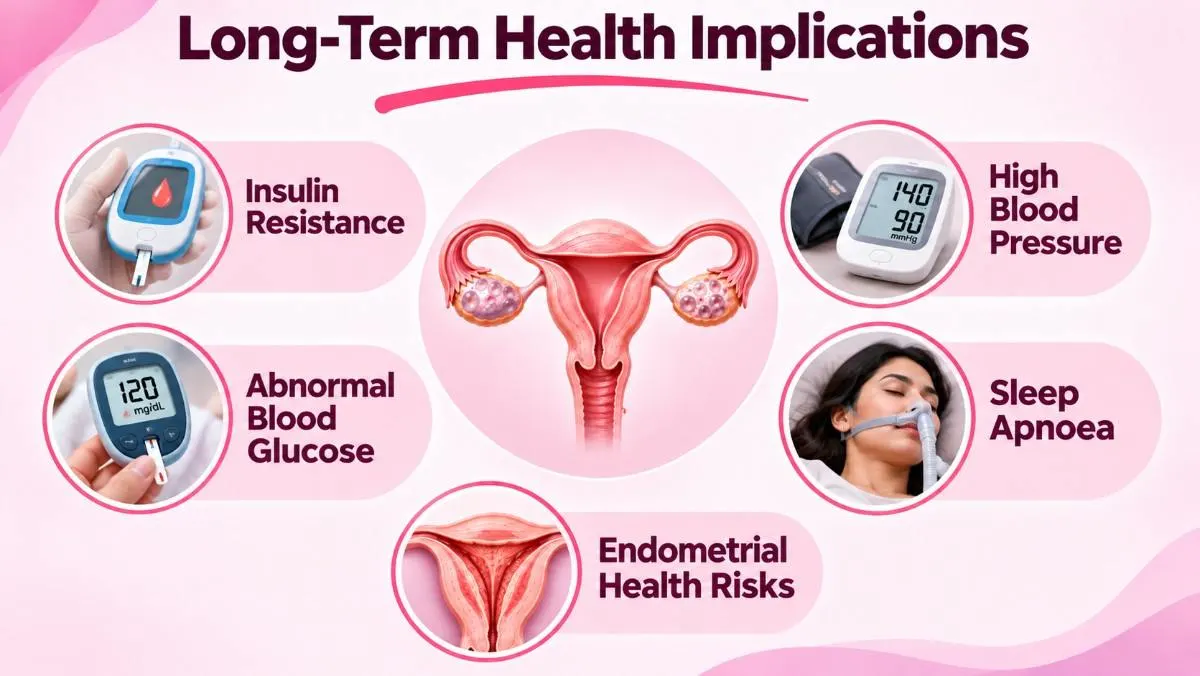
PCOS is not only a menstrual or fertility condition. It is associated with several longer-term health concerns.
Cardiovascular risk factors such as abnormal glucose regulation, abnormal lipid levels, hypertension, and sleep apnoea are more common in people with PCOS. Long-term cardiovascular risk may also be increased, although the absolute risk in young premenopausal women is generally low.
Prolonged infrequent or absent ovulation may expose the endometrium to unopposed oestrogen. This can increase the risk of endometrial hyperplasia and, over time, endometrial cancer, particularly when amenorrhoea is longstanding and other risk factors are present. The absolute risk remains low, and routine screening is not recommended for all women with PCOS.
These risks do not mean that every woman with PCOS will develop complications. Regular health monitoring can help identify associated risks early.
How Is PCOS Diagnosed?
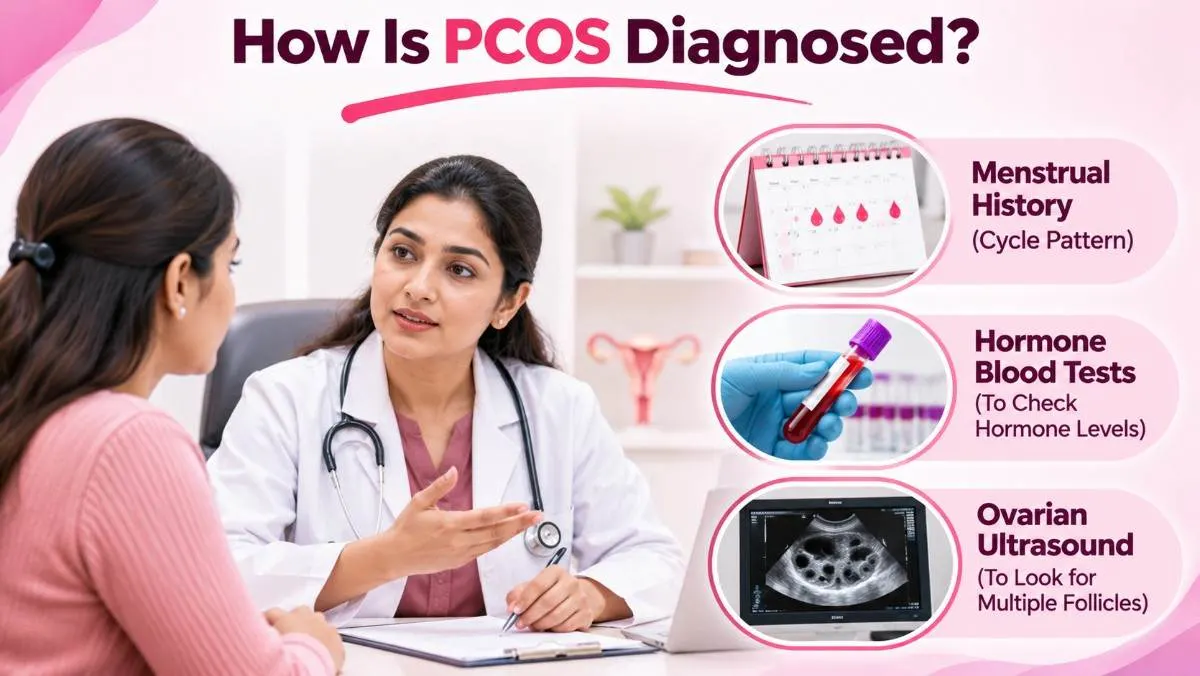
There is no single test for PCOS. Diagnosis involves assessing symptoms and medical history while excluding other possible causes.
Diagnosis in Adults
In adults, PCOS is generally diagnosed when at least two of the following three features are present after other causes have been excluded:
Irregular or absent ovulation
Clinical or biochemical androgen excess
Polycystic ovarian morphology on appropriate imaging
A healthcare professional may review your menstrual history and symptoms and may recommend blood tests or an ultrasound.
An ultrasound showing multiple follicles does not automatically mean that you have PCOS.
In adults, AMH may be used as an alternative to ultrasound for assessing polycystic ovarian morphology in the diagnostic process, but it should not be used as a standalone test.
PCOS in Adolescents
Diagnosis in adolescents requires additional caution because irregular periods and acne can occur during normal puberty.
Current guidance generally requires both persistent ovulatory dysfunction and clinical or biochemical hyperandrogenism after other causes have been excluded. Ultrasound and AMH should not be used alone to diagnose PCOS in adolescents, particularly within eight years after menarche.
Other Causes May Need to Be Excluded
Depending on symptoms, healthcare professionals may consider other causes such as pregnancy, thyroid disease, raised prolactin, and non-classic congenital adrenal hyperplasia.
Rapidly developing androgen-related symptoms or markedly elevated androgen levels may require evaluation for uncommon causes such as an androgen-secreting tumour.
PCOS vs Normal Hormonal Changes
Not every irregular period means PCOS. Menstrual cycles can vary during adolescence, periods of stress, major lifestyle changes, and the transition toward menopause.
PCOS is more likely to be considered when irregular periods persist or occur alongside signs of androgen excess.
Self-diagnosing PCOS based on one symptom or an ultrasound report can lead to unnecessary worry or inappropriate treatment.
Managing and Treating PCOS
PCOS is a long-term condition for many people, but symptoms and associated health risks can be managed.
Lifestyle Management
Healthy eating and regular physical activity can support metabolic health and improve insulin sensitivity, even without weight loss.
For women who are overweight, modest weight loss may improve menstrual regularity and some metabolic measures. However, PCOS management should not focus only on weight.
Balanced meals, regular movement, adequate sleep, and sustainable habits are important parts of long-term care.
Medical Treatment
Treatment depends on symptoms, metabolic health, and reproductive goals.
Combined hormonal contraceptives may be used in women who are not trying to become pregnant to provide predictable withdrawal bleeding and help manage acne or excess hair growth when medically appropriate.
Anti-androgen medicines may be considered for androgen-related symptoms. Appropriate contraception is important when pregnancy is possible.
Metformin may be considered for some women with metabolic concerns or impaired glucose regulation. It is not a universal treatment for PCOS or insulin resistance. At Metabulix, we take a personalised approach to metabolic health
For women trying to conceive because of anovulatory PCOS, letrozole is generally recommended as a first-line pharmacological ovulation-induction treatment when appropriate.
When to See a Doctor
Consider speaking with a healthcare professional if your periods are repeatedly irregular or absent, especially if you also experience:
Acne
Excess facial or body hair
Scalp hair thinning
Unexplained weight changes
Difficulty becoming pregnant
Medical evaluation can help identify PCOS, rule out other causes, and address associated metabolic risks.
You do not need to wait until you are trying to conceive to seek help. PCOS can affect overall health, not just fertility.
Conclusion
PCOS is a complex endocrine and metabolic syndrome that can affect periods, ovulation, fertility, skin, hair, and metabolic health. Symptoms can vary significantly from one person to another.
Although PCOS is a long-term condition for many people, it can be effectively managed. Accurate diagnosis, appropriate treatment, sustainable lifestyle habits, and regular health monitoring can help manage symptoms and associated health risks.
At Metabulix, we take a personalised approach to metabolic health. Our personalised nutrition and lifestyle programs are designed to support hormonal health, improve metabolic wellbeing, and help women build sustainable habits based on their individual health needs.